
If you have heard of paleo but found it too rigid, the primal diet may be the version that fits real life in the UK. It is built on the same idea — eat mostly whole, unprocessed foods — but it is more flexible. Full-fat dairy is allowed if you tolerate it, starchy vegetables are not treated as a problem, and the approach covers more than food: movement, sleep, sunlight and play all count.
This guide explains the primal diet from scratch, with UK shopping, costs and practicality in mind. It is general information, not medical advice. If you have a health condition, take medication, are pregnant or breastfeeding, or are feeding children, talk to your GP or a registered dietitian before changing your diet.
What is the primal diet?
The primal diet is an ancestral eating pattern popularised by Mark Sisson through his Primal Blueprint framework. The central idea is simple: humans are well suited to the foods available before agriculture and industrial food processing — meat, fish, eggs, vegetables, fruit, nuts, seeds and natural fats — and less well suited to a diet dominated by grains, refined sugar and highly processed foods.
That does not mean eating exactly like a hunter-gatherer. Primal eating is a modern interpretation: choose minimally processed foods, prioritise quality, and leave room for foods you enjoy. Sisson's well-known "80/20 rule" — eat primally about 80% of the time and do not stress about the other 20% — is one of the main reasons people stick with it longer than stricter diets.
It is also not the same as keto. Primal eating can be lower in carbohydrate than a typical modern diet, but fruit, sweet potatoes and squash are all allowed, so it is not necessarily ketogenic.
The 10 Primal Blueprint laws, in plain English
Sisson's framework is often summarised as ten laws. You do not need to follow all ten perfectly to start, but together they explain why primal is a lifestyle, not just a food list: eat plants and animals; avoid highly processed foods, refined sugar, industrial seed oils and trans fats; move frequently at a slow pace (walk a lot); lift heavy things; sprint occasionally; get plenty of sleep; play; get sensible sunlight; avoid unnecessary risks; and keep learning.
For a beginner, the food, walking and sleep laws do most of the work. Get those roughly right first, then layer in the rest.
Primal diet food list: what to eat
Eat freely
- Meat and poultry: beef, lamb, pork, chicken, turkey, game. Cheaper cuts — chicken thighs, beef mince, pork shoulder, stewing steak — are just as primal as steak and far kinder to a UK food budget.
- Fish and seafood: salmon, mackerel, sardines, trout, cod, prawns, mussels. Oily fish such as mackerel and sardines are good everyday choices, and tinned sardines and mackerel are cheap, long-life staples.
- Eggs: free-range eggs are a backbone primal food — quick, cheap and versatile.
- Vegetables: all of them, especially leafy greens, broccoli, cauliflower, courgettes, carrots, onions, garlic, peppers, mushrooms and green beans. Seasonal UK vegetables — cabbage, leeks, swede, parsnips and kale in winter — keep costs down.
- Fruit: berries, apples, pears, citrus fruit, kiwis, melons and stone fruit. Very sweet dried fruit is better treated as an occasional food.
- Nuts and seeds: almonds, walnuts, hazelnuts, cashews, pumpkin seeds, sunflower seeds, chia and flaxseed. Watch portions if weight is a concern, since they are energy-dense.
- Healthy fats: olive oil, coconut oil, avocado oil, butter, ghee and the fat naturally present in meat, fish, nuts and avocados.
- Herbs and spices: fresh and dried, generously.
Eat in moderation, if you tolerate them
This is where primal differs most from strict paleo:
- Full-fat dairy: milk, cheese, plain yoghurt, kefir and butter, preferably from grass-fed animals where you can find it. Raw milk is a separate question in the UK — it can only legally be sold direct from registered farms and vending machines in England, Wales and Northern Ireland, and is banned from general retail sale in Scotland — so most people will use pasteurised full-fat dairy. If dairy upsets you, skip it; the diet works without it.
- Starchy vegetables: sweet potatoes, potatoes, squash, parsnips and beetroot. These are useful for active people and for anyone who finds very low-carbohydrate eating unsustainable.
- Nightshades: tomatoes, peppers, aubergines and potatoes. Some primal eaters limit these; most include them without issue.
- Natural sweeteners: raw honey and maple syrup, in small amounts, rather than as everyday sweeteners.
- Dark chocolate: typically 70% cocoa or higher, as an occasional treat.
- Coffee and tea: allowed, ideally without sugar. Alcohol is treated as an occasional indulgence in Sisson's framework — red wine and clear spirits rather than beer, which is grain-based — but keeping it occasional is the honest advice for most people.
Foods to avoid on the primal diet
- All grains: wheat, barley, rye, oats, rice, corn and anything made from them — bread, pasta, breakfast cereals, crackers, couscous and most baked goods.
- Legumes: beans, lentils, chickpeas, peas as a pulse, peanuts and soya. Some primal interpretations allow small amounts of fermented soya or well-soaked legumes, but beginners should treat legumes as out for the first few weeks and judge from there.
- Refined sugar and artificial sweeteners: white sugar, syrups, sweets, fizzy drinks and most "low-calorie" sweetened products.
- Industrial seed oils and processed fats: refined sunflower, rapeseed, soybean and corn oils, margarine and anything listing hydrogenated or partially hydrogenated fat.
- Highly processed foods: ready meals, processed meats with long ingredient lists, crisps, most takeaway-style fried food and anything where sugar, refined flour or additives do most of the work.
A sample primal day (UK kitchen)
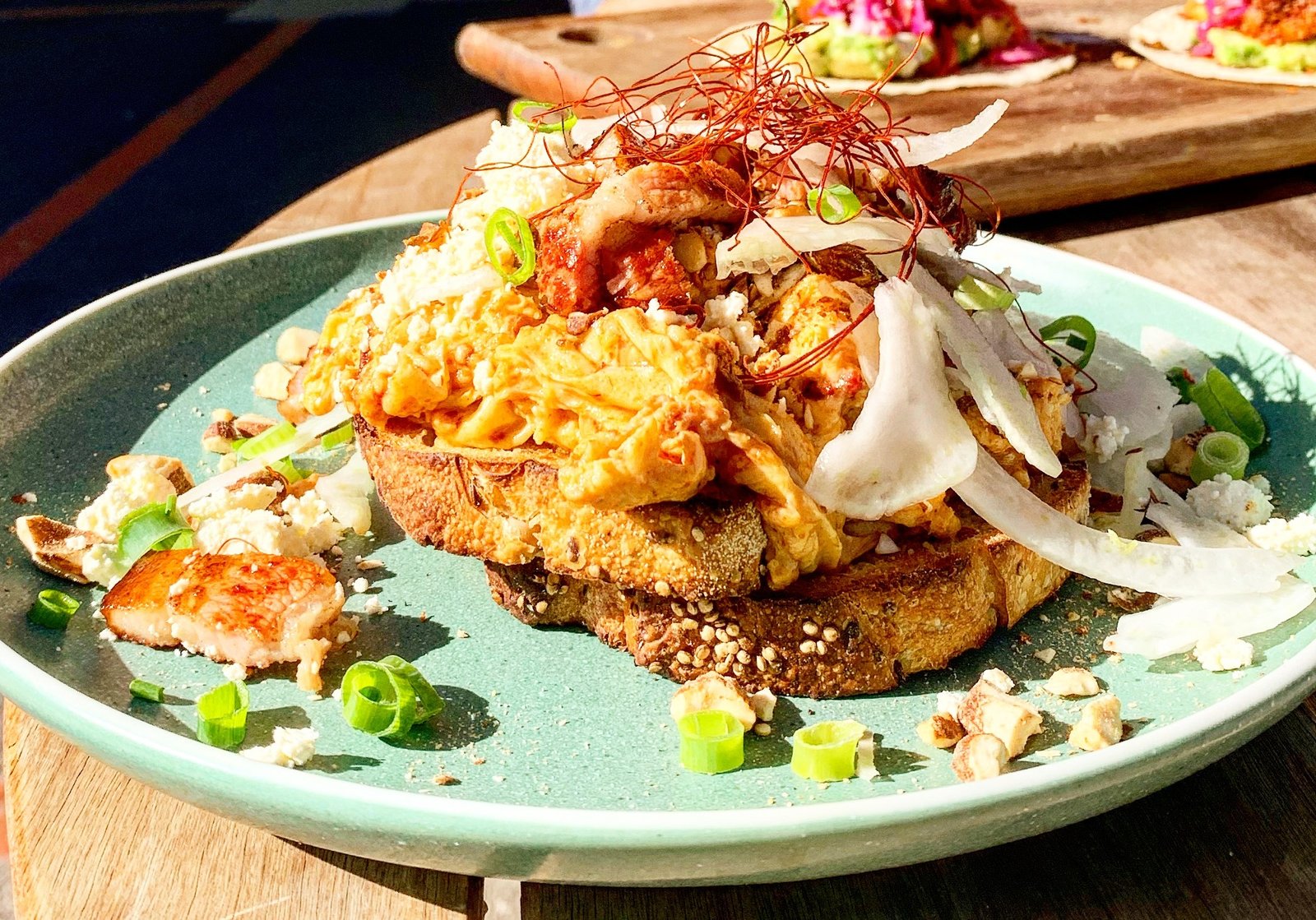
- Breakfast: scrambled eggs with spinach and mushrooms, cooked in butter, plus berries.
- Lunch: chicken thigh salad — leftover roast chicken, mixed leaves, cucumber, avocado and olive oil and lemon dressing.
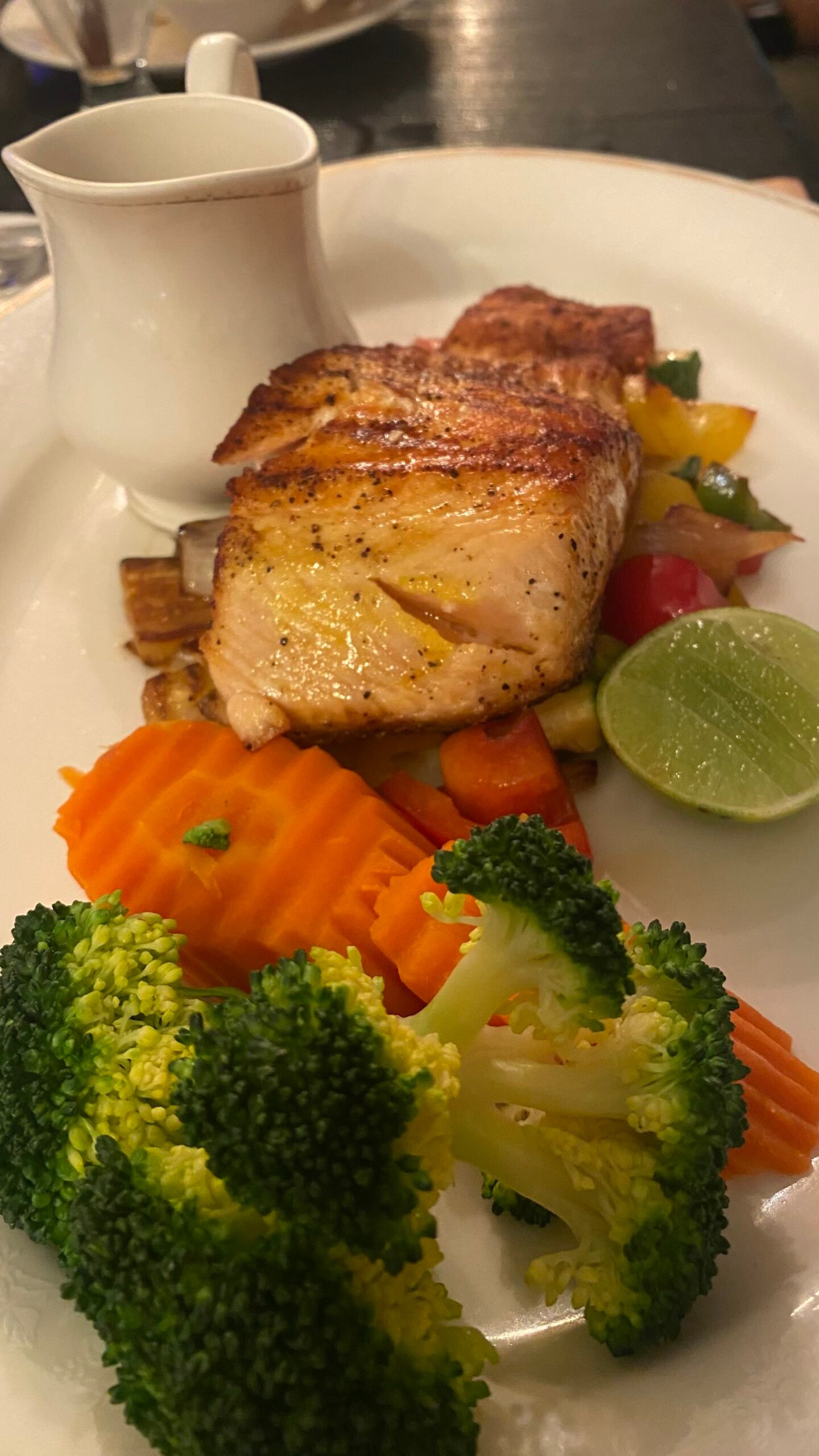
- Dinner: salmon fillet with roasted sweet potato and broccoli, or beef mince chilli (no beans) with cauliflower rice.
Your first two weeks: a simple plan
Week 1: clear the decks
- Remove grains, sugar and processed snacks from your kitchen, or at least from easy reach.
- Plan three breakfasts you can cook half-asleep: eggs in some form, plain yoghurt with berries and nuts, or leftover dinner meat with vegetables.
- Cook double at dinner and take the second portion for lunch. This single habit removes most weekday decision-making.
- Walk every day, even if it is only 20 to 30 minutes, and keep a short note of how you feel — energy, digestion, sleep, hunger — rather than weighing yourself daily.
Week 2: refine and personalise
- Test dairy honestly. If you eat cheese and yoghurt without problems, keep them. If you notice bloating or skin flare-ups, drop dairy for two weeks and reintroduce one food at a time.
- Adjust starchy vegetables to your activity level. Desk-based days may need less; long walks, manual work or training days may need more sweet potato, squash or potatoes.
- Try one new protein: sardines on salad, lamb chops, or a whole roast chicken that covers three meals.
- Eat out once, primally, as practice: grilled meat or fish with vegetables and salad, dressing on the side, no bread basket.
Primal eating in the UK: shopping and costs
Primal eating has a reputation for being expensive, but a UK primal shop need not be:
- Buy cheaper cuts and cook them well. Chicken thighs, pork shoulder, beef mince, stewing beef and whole chickens cost far less per kilo than steak and fillet, and slow cooking suits them perfectly.
- Use frozen fish and vegetables. Frozen berries, broccoli and green beans are cheap, waste-free and fine for everyday cooking. Tinned sardines, mackerel and tuna are pantry staples.
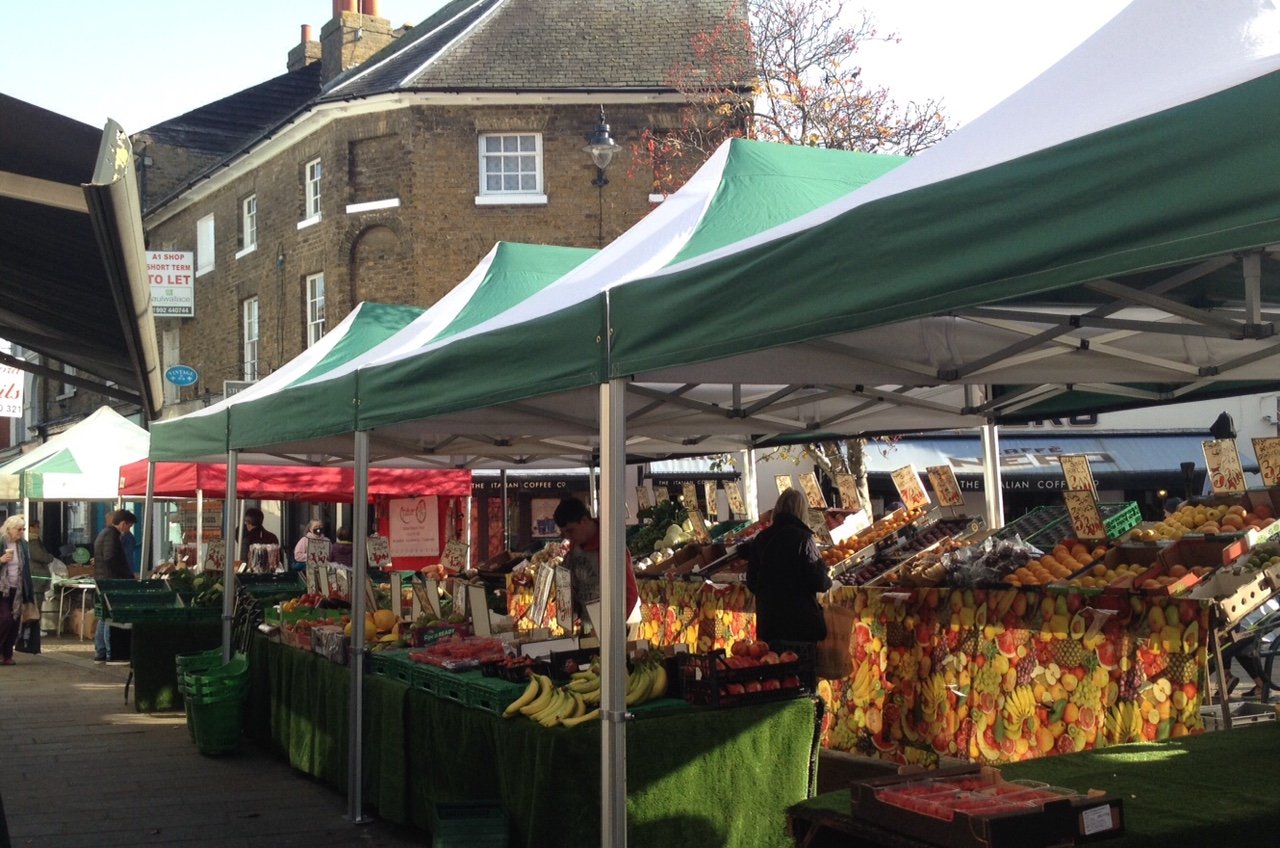
- Shop seasonally. A butcher, a farmers' market or a veg box can beat supermarket prices on meat and seasonal vegetables, but a standard supermarket shop works fine.
- Eggs are your budget anchor. A plate of eggs with vegetables is one of the cheapest complete primal meals available.
- Batch cook. Roasted vegetables, a slow-cooked pork shoulder and a pot of soup cover several meals and stop expensive impulse takeaways.
You will spend more on meat, fish and fresh produce, and less on bread, cereals, biscuits, fizzy drinks, snacks and ready meals, so many people find the weekly total roughly balances out, especially once takeaways drop away.
Beyond food: movement, sleep and sunlight
Food gets most of the attention, but the primal framework insists the rest matters just as much:

- Walk daily. Walk to the shops, take the stairs, get off the bus a stop early.
- Lift something heavy twice a week. Bodyweight squats, press-ups, carrying shopping and gardening all count as a starting point.
- Protect sleep. A regular bedtime, a dark room and screens off an hour before bed are unglamorous and effective.
- Get outside in daylight. In the UK, especially in winter, a lunchtime walk does double duty for movement and light. Follow NHS guidance on sun protection in summer — nobody needs to burn to get the benefit.
Common beginner mistakes
- Going too strict, too fast. Cutting grains, sugar, dairy, legumes, alcohol and caffeine all at once is a recipe for quitting by day five. Change food first; fine-tune later.
- Eating too little. Without bread, pasta and rice, meals can accidentally become very low in energy. If you feel constantly hungry or tired, add more fat, more starchy vegetables or larger portions of protein.
- Replacing junk with "primal junk". Almond-flour cakes and honey-sweetened treats every day are still treats, not whole food.
- Ignoring vegetables. A plate that is only meat and cheese is not primal eating. Vegetables should take up a large share of the plate at most meals.
Troubleshooting: what if it feels wrong?
- Tired in week one: often a sign of eating too little, too few starchy vegetables, or poor sleep. Eat more and add sweet potato or squash.
- Digestive changes: a big jump in vegetable and fat intake can unsettle digestion for a few days. Introduce high-fibre vegetables gradually and cook them well rather than eating everything raw.
- Weight not changing: primal eating is not automatically a weight-loss diet. Portions of nuts, cheese, oils and dried fruit add up quickly, and alcohol stalls many people. Track honestly for a week before judging.
If symptoms persist or you have any medical condition, speak to a health professional. General diet information online is no substitute for personal advice.
Frequently asked questions
Can you eat dairy on the primal diet?
Yes, unlike strict paleo. Full-fat, preferably fermented dairy — plain yoghurt, kefir, cheese and butter — is allowed if you tolerate it. Low-fat, sweetened dairy products are not in the spirit of the diet.
Can vegetarians follow a primal diet?
It is possible but difficult, since the diet leans heavily on animal protein. A vegetarian version would rely on eggs, dairy, nuts, seeds and vegetables, and would need careful planning. A vegan primal diet is not really workable within the framework, and anyone attempting either should get dietitian advice.
Do you need to count calories on the primal diet?
The framework does not require calorie counting. Most people start by eating whole foods until satisfied and adjusting portions by results. If weight loss stalls, an honest look at portions — especially nuts, cheese, cooking oils and alcohol — is usually more useful than stricter food rules.
The bottom line
Start with whole food, cut grains, sugar and processed food, keep dairy and starchy vegetables if they suit you, walk every day and sleep properly. Keep the 80/20 rule in mind, adjust to your own body and budget, and let consistency — not perfection — do the work.
Related reading
- Paleo Meal Plan UK for Beginners: 7 Days
- Primal vs Paleo: Key Differences Explained