
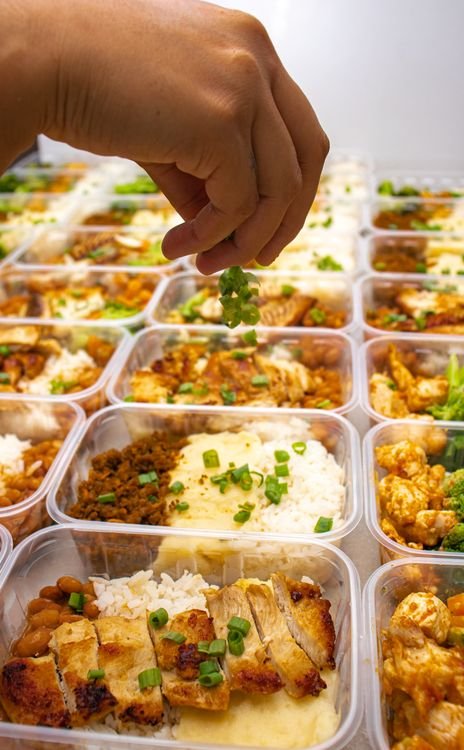
Starting paleo is easy to understand and surprisingly hard to do on a hungry Tuesday evening with nothing planned. This 7-day plan solves that problem. Every day has a breakfast, lunch, dinner and an optional snack, all built from foods you can buy in a normal UK supermarket, and the shopping list at the end covers the whole week.
A quick reminder of the rules: paleo means meat, fish, eggs, vegetables, fruit, nuts, seeds and healthy oils. No grains, no legumes, no dairy, no refined sugar and no highly processed food. That is stricter than primal eating — cheese, yoghurt and butter are out here, even though primal allows them.
This is general information, not medical advice. If you have a health condition, take medication, are pregnant or breastfeeding, or are cooking for children, check with your GP or a registered dietitian before starting a restrictive diet.
How to use this plan
- Cook once, eat twice. Several dinners deliberately make enough for the next day's lunch. That is the whole trick to making paleo sustainable on a working week.
- Swap freely within categories. Hate mackerel? Use salmon or trout. Cannot get sweet potato? Use squash or parsnips. The structure matters more than any single ingredient.
- Eat enough. Paleo meals without bread, rice or pasta can accidentally be too small. If you are hungry, add vegetables, add a drizzle of olive oil, or add an extra egg — do not just go hungry.
- Prep on Sunday. Roast a whole chicken, hard-boil six eggs, chop vegetables and make a jar of salad dressing.
- Drink water, tea and coffee. Black coffee and unsweetened tea are fine; fizzy and sweetened drinks are out.
Day 1 — Monday
- Breakfast: Scrambled eggs (2–3) with spinach, mushrooms and a chopped tomato, cooked in olive oil or coconut oil, plus a handful of berries.
- Lunch: Chicken and avocado salad — leftover or freshly grilled chicken breast or thigh, mixed leaves, cucumber, tomato, avocado, olive oil and lemon dressing, and a small handful of walnuts.
- Dinner: Pan-fried salmon fillet with roasted sweet potato wedges, broccoli and garlic. Squeeze lemon over the salmon.
- Snack (optional): An apple with a tablespoon of almond butter.
Day 2 — Tuesday
- Breakfast: Sweet potato hash — diced sweet potato, onion and peppers fried in coconut oil, topped with two fried eggs and fresh herbs.
- Lunch: Salmon salad — flaked leftover salmon from Monday, or tinned salmon, with cucumber, dill, lettuce, olive oil and lemon.
- Dinner: Beef mince chilli without beans: beef mince, chopped tomatoes, peppers, onion, garlic, cumin, paprika and chilli, served over cauliflower rice. Make a double batch and keep half for Thursday's lunch.
- Snack (optional): A small handful of mixed nuts and a satsuma.
Day 3 — Wednesday
- Breakfast: Smoked salmon with sliced avocado, capers, red onion and lemon, plus a boiled egg.
- Lunch: Turkey and vegetable roll-ups — slices of plain roast turkey (check the label: no added sugar, starch or preservatives) wrapped around avocado, cucumber and grated carrot, with olives on the side.
- Dinner: Roast chicken thighs with lemon and thyme, roasted courgettes and sweet potato mash. Roast extra thighs for tomorrow.
- Snack (optional): Carrot and cucumber sticks with guacamole.
Day 4 — Thursday
- Breakfast: Coconut milk chia pudding, made the night before: chia seeds soaked in tinned coconut milk with vanilla, topped with mixed berries. No honey needed, but a few berries add sweetness.
- Lunch: Leftover beef chilli from Tuesday, reheated and served with a green salad.
- Dinner: Baked cod or haddock with lemon and garlic, steamed asparagus or green beans, and roasted parsnips.
- Snack (optional): A pear and a handful of pumpkin seeds.
Day 5 — Friday
- Breakfast: Bacon and eggs — grilled back bacon (check the label for added sugar and nitrates where possible; unsmoked, simply cured bacon is the better choice) with two eggs and grilled tomatoes and mushrooms.
- Lunch: Chicken salad — leftover roast chicken thighs from Wednesday with mixed leaves, grated carrot, beetroot, pumpkin seeds and olive oil dressing.
- Dinner: Lamb chops with rosemary, cauliflower mash and roasted carrots. Lamb is often good value as chops or as a shoulder joint for slow cooking at the weekend.
- Snack (optional): A small bowl of berries with a few almonds.
Day 6 — Saturday
- Breakfast: Almond and banana pancakes — mashed banana, eggs and almond flour, fried in coconut oil, topped with fresh berries. This is a weekend treat version of breakfast, not an everyday staple.
- Lunch: Prawn and avocado salad — cooked prawns, avocado, lettuce, cucumber, spring onions, lime juice and olive oil, with a side of sliced mango.
- Dinner: Beef burgers without the bun — homemade beef mince patties (mince, onion, garlic, herbs, salt and pepper, nothing else) wrapped in large lettuce leaves, with sweet potato fries and a tomato and red onion salad.
- Snack (optional): Dark chocolate (70% cocoa or higher), a couple of squares.
Day 7 — Sunday
- Breakfast: Vegetable and egg scramble — eggs with peppers, onions, spinach and mushrooms, plus grilled tomatoes.
- Lunch: Roast dinner, paleo style — a whole roast chicken with roast parsnips, carrots, broccoli and cauliflower, and gravy made from the meat juices thickened naturally by reduction rather than flour. Keep leftover chicken for the week ahead.
- Dinner: Light and simple — vegetable soup made with bone broth or vegetable stock, carrots, parsnips, leeks, kale and leftover chicken, or a large salad with tinned sardines, tomatoes and olives.
- Snack (optional): Herbal tea and a handful of mixed nuts, if wanted.
The full shopping list
Protein
- Whole chicken × 1, chicken thighs × 8, chicken breast or thigh fillets for Monday
- Salmon fillets × 2, smoked salmon × 1 pack, cod or haddock fillets × 2
- Beef mince × 1 kg, lamb chops × 4, back bacon × 1 pack, cooked prawns × 1 pack
- Tinned salmon or tuna × 1 tin, tinned sardines × 1 tin (for Sunday backup)
- Eggs × 18 (free-range if budget allows)
- Plain roast turkey slices × 1 pack (label-checked, no added sugar or starch)
Vegetables and salad
- Sweet potatoes × 6, potatoes or parsnips for roasting, cauliflower × 2
- Broccoli × 2 heads, courgettes × 4, peppers × 6, carrots, leeks, asparagus or green beans
- Mixed salad leaves × 2 bags, lettuce × 1, spinach × 2 bags, kale × 1 bag
- Tomatoes, cucumber × 2, red onion, spring onions, celery, mushrooms
- Avocados × 5–6 (buy at mixed ripeness so they ripen across the week)
- Garlic, fresh ginger, lemons × 4, limes × 2
Fruit
- Berries (fresh or frozen) × 3 punnets or bags, bananas × 4, apples × 4
- Pears × 2, satsumas × 4, mango × 1
Pantry
- Olive oil, coconut oil, tinned coconut milk × 1
- Chia seeds, almond flour, almonds, walnuts, pumpkin seeds, mixed nuts
- Almond butter (no added sugar or palm oil — check the label)
- Tinned chopped tomatoes × 2, tomato purée, vegetable or bone broth
- Olives, capers, herbs and spices: cumin, paprika, chilli, rosemary, thyme, dill, salt, black pepper
- Dark chocolate, 70% cocoa or higher × 1 bar
Making paleo affordable in the UK
Paleo can be pricey if every meal is salmon and steak, but this plan deliberately leans on cheaper proteins:
- Eggs, mince and chicken thighs carry most of the week. They are complete proteins at a fraction of the cost of fillet steak or fresh salmon.
- Tinned fish — sardines, mackerel and tuna — is cheap, long-life and genuinely good food, not a compromise.
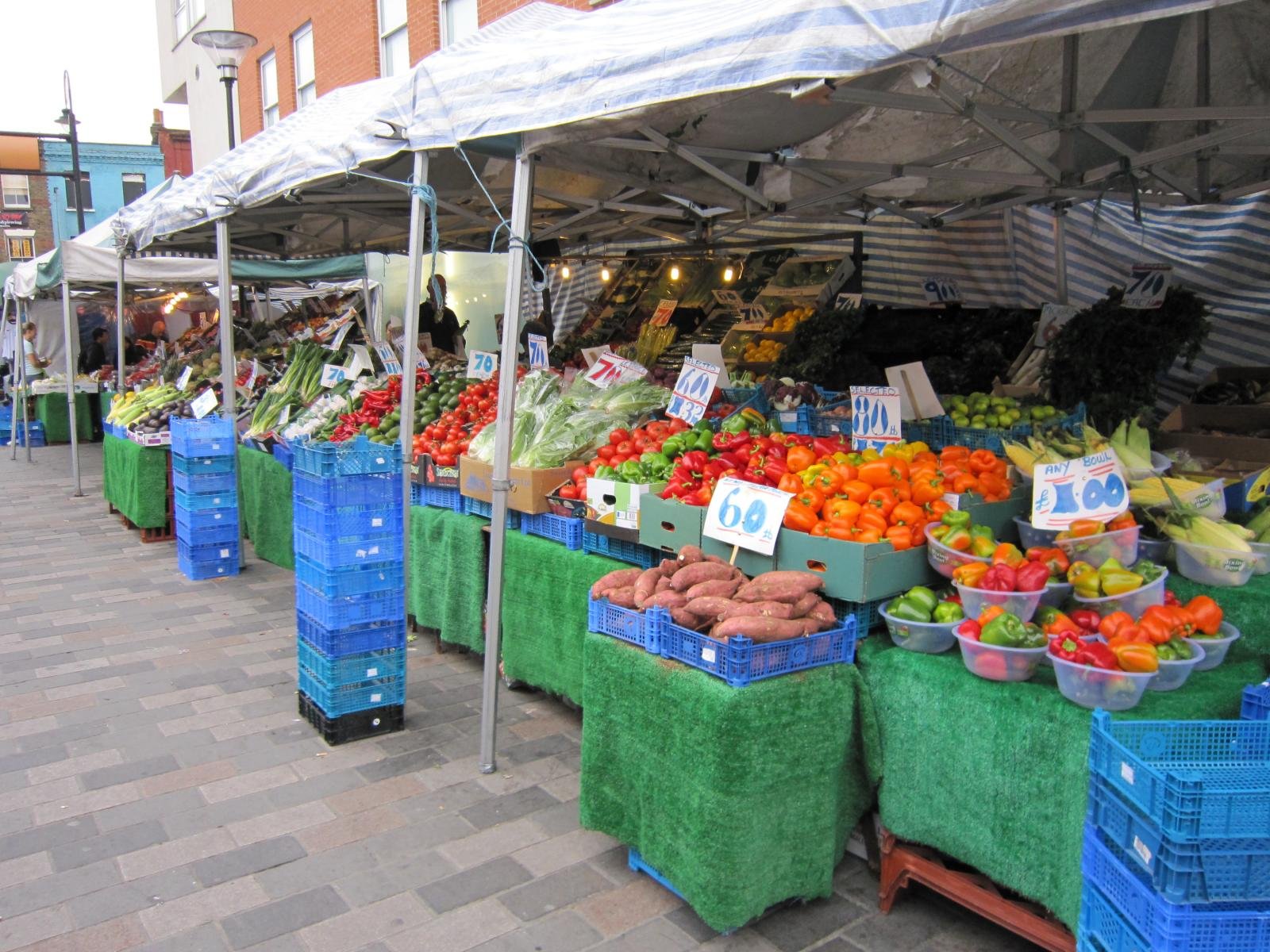
- Frozen vegetables and berries cost less, waste nothing and are available year-round.
- Seasonal vegetables — cabbage, leeks, carrots, parsnips and swede in winter; courgettes, beans and salads in summer — are almost always the cheapest fresh option.
- A whole chicken beats chicken breasts on price and gives you stock, leftovers and several meals.
You will spend more on fresh produce and meat than on a grain-based shop, but nothing on bread, cereal, biscuits, snacks and ready meals, so for many households the weekly total ends up similar, especially once takeaways drop away.
Eating out and staying paleo
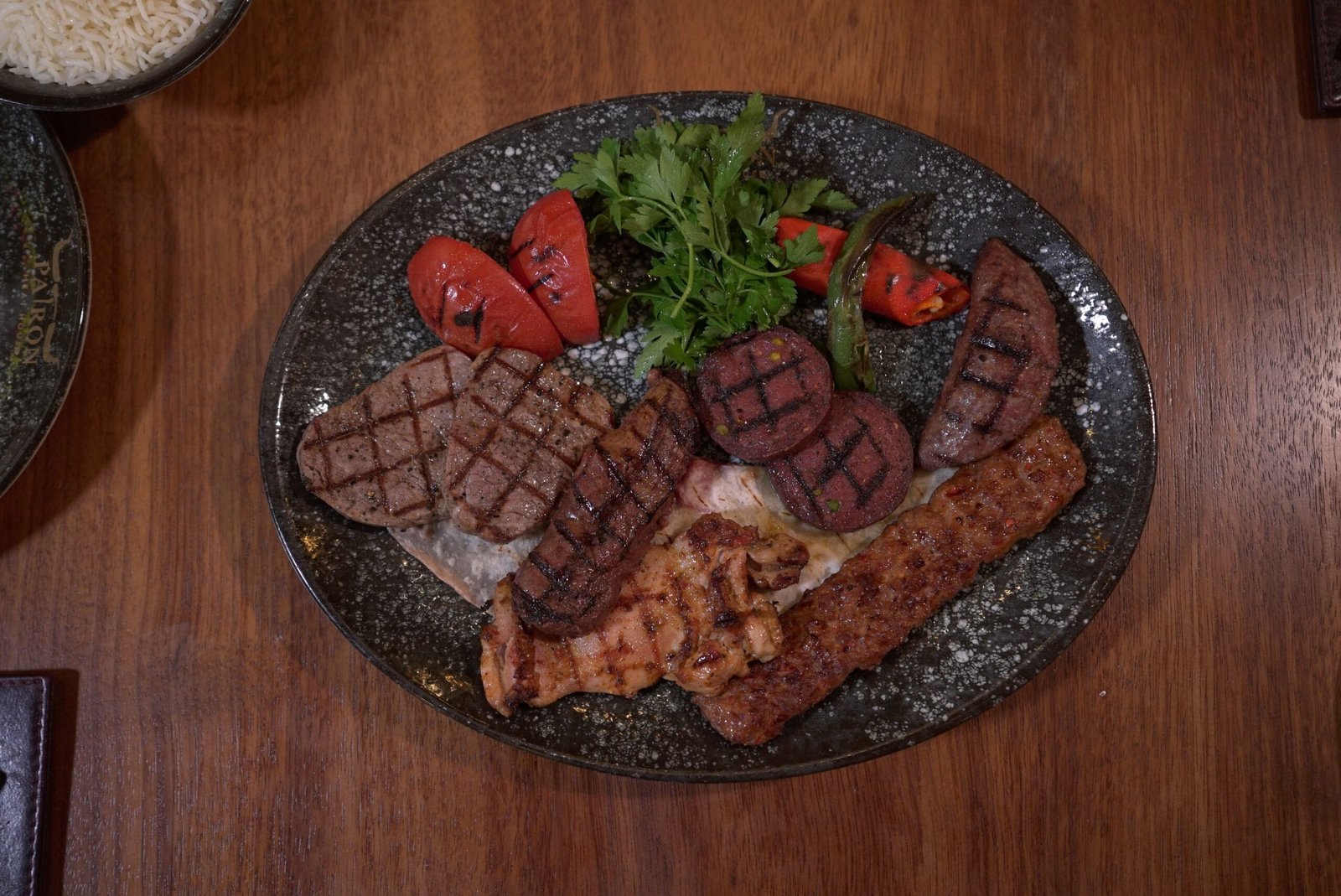
In restaurants, grilled meat or fish with vegetables and salad is available almost everywhere — ask for dressing on the side and skip the bread. In pubs, a roast dinner without Yorkshire pudding and stuffing, or grilled chicken with vegetables, works well. For work, the leftover-dinner habit is your best friend: a salad box with protein, vegetables and olive oil dressing travels well. At social occasions, eat what you can, enjoy the company, and return to the plan at the next meal. One meal does not undo a week.
Common beginner pitfalls
- Undereating. The most common first-week mistake. Without grains, portions need to be generous, especially vegetables and healthy fats.
- Too many "paleo" baked goods. Almond-flour bread, coconut-flour cakes and date-sweetened bars every day defeat the point. Keep them as occasional treats.
- Sauces and dressings. Many shop-bought sauces contain sugar, starch and seed oils. A simple olive oil, lemon and mustard dressing takes a minute and is always safe.
- Label traps. "Gluten-free" does not mean paleo — most gluten-free breads and pastas are refined starches. Read ingredients, not front-of-pack claims.
What happens after week one?
Repeat the structure with different proteins and vegetables: swap salmon for trout, beef for pork, sweet potato for squash, and rotate the salads. After two or three weeks you will have a personal repertoire of ten or so meals you can cook without a recipe, and that is when paleo stops feeling like a plan and starts feeling like just how you eat.
If you want more flexibility — dairy, a little more leeway on starchy foods, and a lifestyle framework covering sleep and movement — read our primal diet guide for beginners. Paleo and primal share most of their DNA; the difference is mainly how strict you want to be.
Frequently asked questions
Is this plan suitable for weight loss?
It can support weight loss, because it removes many high-calorie processed foods and tends to be filling, but it is not a guaranteed weight-loss plan. Portions of nuts, oils, fatty meats and dried fruit are energy-dense. If weight loss is your goal and progress stalls, look at portions and alcohol before tightening food rules further, and consider advice from a dietitian.
Can I drink coffee on paleo?
Yes. Black coffee and tea are widely accepted on paleo. Milk is not, so coffee is usually taken black or with a splash of coconut milk. Sweeteners, including honey in coffee every day, are best kept occasional.
What about snacks between meals?
Properly sized paleo meals should keep you full for several hours. If you are genuinely hungry between meals, fruit with nuts, a boiled egg, vegetable sticks with guacamole, or olives are good options. Constant snacking usually means meals are too small.
Do I need supplements on paleo?
No supplement is required by the diet itself. Some people in the UK consider vitamin D in winter, in line with general NHS guidance for the wider population, and anyone cutting out whole food groups should think about what those foods supplied. Discuss supplements with a GP or pharmacist rather than buying on the basis of blog recommendations.
Can I follow this plan on a vegetarian diet?
Not as written — the plan is built around animal protein. A vegetarian version would depend heavily on eggs, nuts and seeds and would need dietitian input. Strict vegan paleo is generally not considered workable.
Related reading
- Primal Diet Plan for Beginners UK: Complete Guide
- What happens after week one?
- Primal vs Paleo: Key Differences Explained