
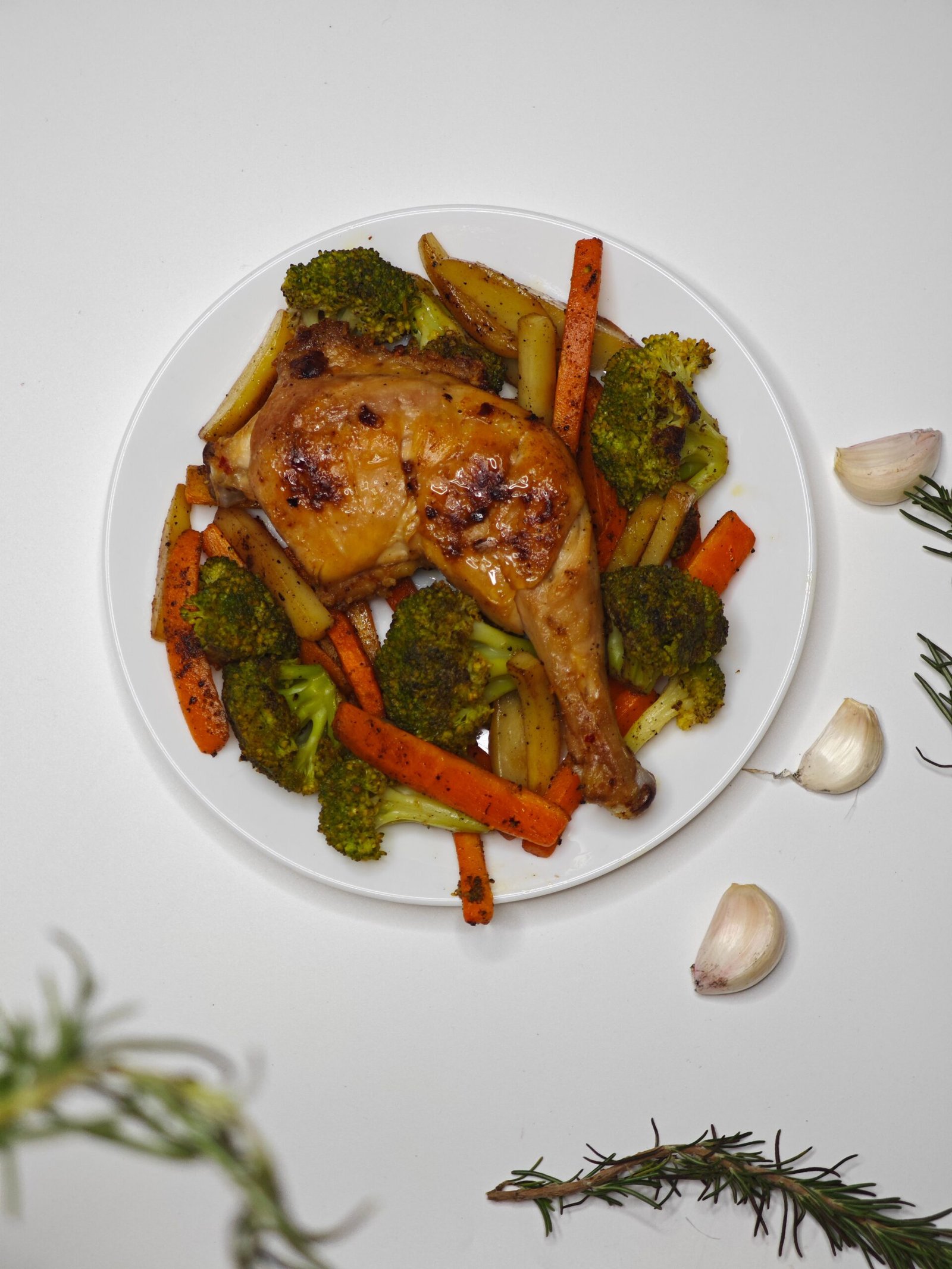
Primal and paleo look almost identical at first glance. Both cut grains, refined sugar, legumes and highly processed food. Both build meals around meat, fish, eggs, vegetables, fruit, nuts, seeds and natural fats. Put a primal dinner and a paleo dinner side by side and you often could not tell them apart.
The differences are real, though, and they matter most in everyday life: whether you can eat cheese, how strict you have to be, and whether the approach covers anything beyond food.
Both diets are described here as their proponents present them. This is general information, not medical advice. If you have a health condition or take medication, speak to a GP or registered dietitian before adopting either one.
The shared ground: about 90% identical
Before the differences, it is worth being clear about how much these two diets agree on, because the agreement is the important part:
- Whole, unprocessed food first. Fresh meat, fish, eggs, vegetables, fruit, nuts and seeds are the foundation of both.
- No grains. Wheat, barley, rye, oats, rice, corn and everything made from them are out in both systems.
- No refined sugar. White sugar, syrups, sweets, fizzy drinks and most processed snacks are out in both.
- No industrial seed oils or trans fats. Refined vegetable oils, margarine and hydrogenated fats are out in both.
- No highly processed food. Ready meals, most packaged snacks and fast food are out in both.
- Vegetables matter. Neither diet is an excuse to eat only meat. Vegetables should fill a large part of the plate.
If you are choosing between primal and paleo, you are not choosing between two different diets so much as two versions of the same ancestral template.
Difference 1: dairy — the biggest practical difference
Paleo: all dairy is excluded. The reasoning is historical: humans did not consume milk beyond infancy before animal domestication, so dairy is not part of the pre-agricultural template. Milk, cheese, yoghurt, butter and cream are all out.
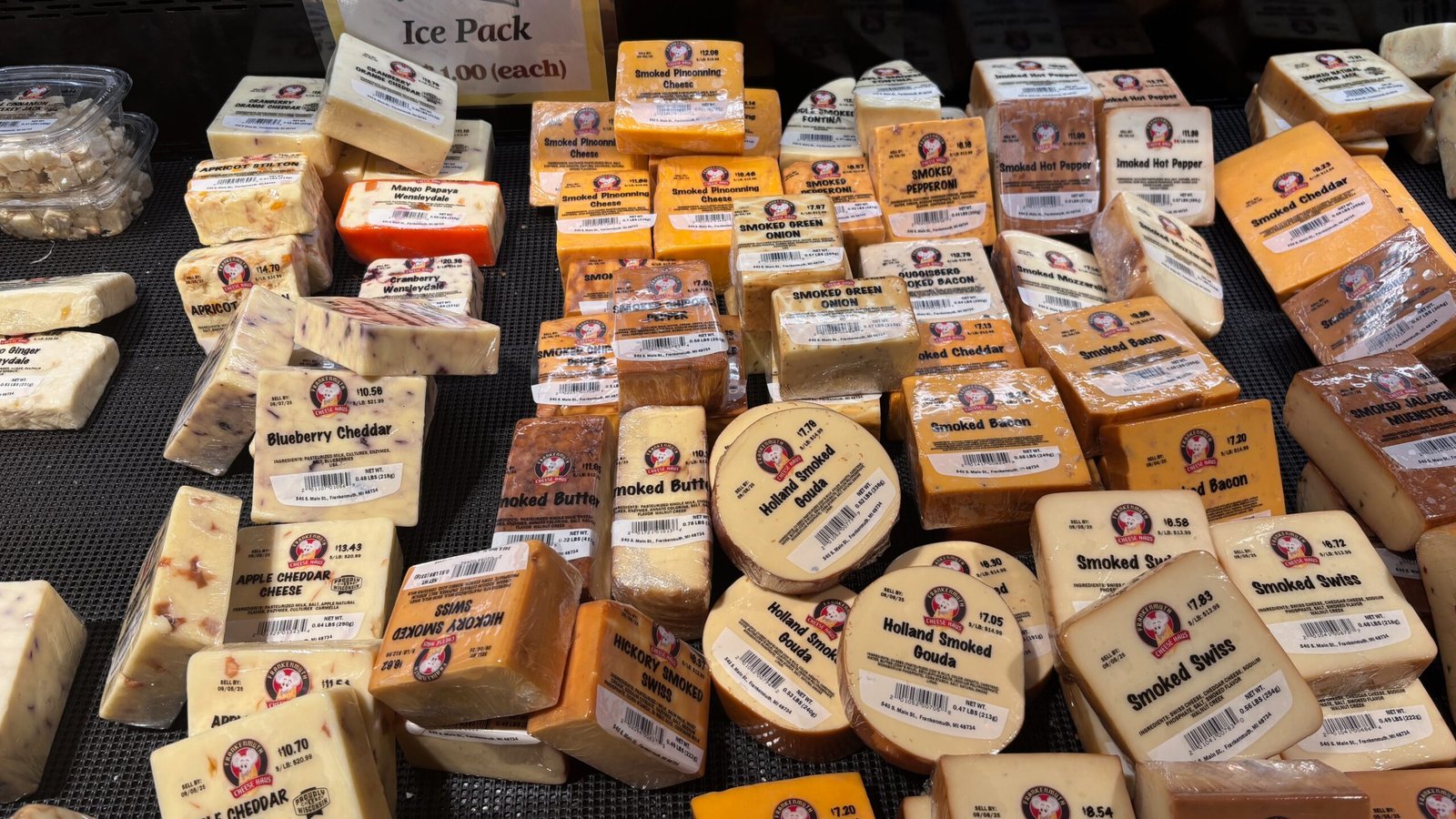
Primal: full-fat dairy is allowed, with an emphasis on fermented and raw forms — plain yoghurt, kefir, cheese and butter, preferably from grass-fed animals. Low-fat, sweetened dairy products are not encouraged.
Why it matters: this is the difference you will feel every day. Dairy makes cooking easier (butter for frying, cheese for flavour, yoghurt for breakfast), makes eating out simpler, and adds a source of calcium and protein that paleo eaters must get elsewhere. It also matters in reverse: if dairy upsets your digestion, causes skin problems, or you simply do not like it, the primal advantage disappears and both diets look the same on this point.
A note on raw dairy: primal sources often prefer raw milk and cheese. In the UK, raw drinking milk can only legally be sold direct from registered farms and vending machines in England, Wales and Northern Ireland, and is banned from general retail sale in Scotland. Pasteurised full-fat dairy is the practical option for most UK readers.
Difference 2: legumes and soya
Paleo: all legumes are excluded — beans, lentils, chickpeas, peas as a pulse, peanuts and all soya products. The usual reasoning given is that legumes contain lectins and phytates, compounds said to interfere with digestion and mineral absorption.
Primal: the door is slightly open. Some primal interpretations allow small amounts of well-soaked, sprouted or fermented legumes, and fermented soya foods such as tempeh, miso and natto, particularly if they are well tolerated. This is not a general invitation to eat beans daily; it is a tolerance-based exception.
Why it matters: mainly for cost and variety. Legumes are cheap protein, so a primal eater who tolerates lentils occasionally has a cheaper, more varied menu. For most meat-eating readers, though, this rarely changes a weekly shop.
Difference 3: grains and nightshades — small print, not headline
Paleo: no grains, no exceptions, and some stricter versions also exclude nightshades — tomatoes, peppers, aubergines and potatoes.
Primal: grains are still generally out, though some sources describe wild rice and quinoa as occasional options, and starchy vegetables such as sweet potatoes and potatoes are openly included. Nightshades are generally allowed unless you personally react to them.
Why it matters: mostly at the margins. A primal eater can have potatoes without guilt; a strict paleo eater reaches for sweet potato or squash instead.
Difference 4: attitude to fat
Paleo: traditionally emphasises leaner meats and moderate fat, with olive oil, coconut oil, avocado and nuts as the main fat sources. Some modern paleo writers are more relaxed about saturated fat, but the original emphasis was on lean protein.
Primal: actively embraces saturated fat from whole-food sources — butter, fatty cuts of meat, coconut oil and full-fat dairy — as a primary energy source. Fat is not something to limit; it is something to enjoy, in the context of whole food.
Why it matters: primal cooking uses butter and dripping freely; paleo cooking leans more on olive oil and coconut oil. Neither is a licence to eat unlimited fat — fat is energy-dense, and total intake still matters for weight.
Difference 5: coffee, alcohol and sweeteners
Paleo: strict versions exclude coffee, alcohol and all sweeteners, including honey, on the grounds that none of them existed in the Palaeolithic era.
Primal: coffee and tea are allowed, alcohol is treated as an occasional indulgence (red wine and clear spirits rather than grain-based beer, in Sisson's framework), dark chocolate of 70% cocoa or higher is allowed, and small amounts of raw honey or maple syrup are acceptable as occasional sweeteners.
Why it matters: this is a quality-of-life difference. Giving up coffee is a deal-breaker for many people, and a diet that bans it outright will lose them on day one. Primal's position — enjoy these things occasionally and in moderation — is one of the main reasons it is often described as more sustainable.
Difference 6: lifestyle vs food only
Paleo: is primarily a dietary protocol. It tells you what to eat and what not to eat. Exercise, sleep and stress are obviously important, but they are not part of the diet's own framework.

Primal: is a whole lifestyle system, most famously Sisson's Primal Blueprint, which adds movement (walk a lot, lift heavy things, sprint occasionally), sleep, sunlight, play and mental engagement to the food rules. Food is one part of a larger blueprint for living.
Why it matters: if you only want a food plan, paleo's narrower scope is a feature. If you want one framework that also prompts you to walk daily, protect your sleep and get outside, primal gives you that structure.
Difference 7: flexibility and the 80/20 rule
Paleo: tends towards clear, black-and-white rules. A food is in or it is out. That clarity helps some people enormously, especially at the start, but it can make birthdays, holidays and eating out feel like failures.
Primal: explicitly builds in flexibility through the 80/20 rule — eat primally about 80% of the time and do not agonise over the other 20%. It also encourages self-experimentation: test dairy, test nightshades, test starchy vegetables, and keep what works for your body.
Why it matters: long-term adherence is where diets succeed or fail. Rigid rules work well for people who like bright lines; flexible rules work better for people who quit the moment they break a rule. Knowing which type you are is arguably more important than any single food difference on this page.
Side-by-side comparison
| Feature | Paleo | Primal |
| Dairy | Excluded entirely | Full-fat, fermented dairy allowed if tolerated |
| Legumes | Excluded entirely | Small amounts of soaked or fermented legumes sometimes allowed |
| Grains | Excluded entirely | Generally excluded; wild rice and quinoa occasionally mentioned |
| Nightshades | Often excluded in strict versions | Generally allowed |
| Saturated fat | Moderate; lean protein emphasis | Encouraged from whole-food sources |
| Coffee and tea | Excluded in strict versions | Allowed |
| Alcohol | Excluded in strict versions | Occasional, in moderation |
| Sweeteners | Excluded, including honey | Small amounts of honey or maple syrup occasionally |
| Starchy vegetables | Allowed in moderation | Allowed openly |
| Lifestyle framework | Food only | Food plus movement, sleep, sunlight and play |
| Flexibility | Rigid rules | 80/20 rule and self-experimentation |
| Origin | Palaeolithic-era template | Broader evolutionary template, popularised by Mark Sisson |
Which should you choose?
Choose paleo if:
- You want bright-line rules and find flexibility an excuse to drift.
- You suspect dairy or legumes cause you problems and want a clean elimination period to test that.
- You prefer a food-only plan and already have your own approach to exercise and sleep.
- You are doing a short, structured experiment (for example, 30 days) rather than looking for a permanent lifestyle.
Choose primal if:
- You like dairy and do not want to give up cheese, yoghurt and butter.
- You want coffee, the occasional glass of wine and dark chocolate without feeling you have broken the diet.
- You want one framework covering food, movement, sleep and sunlight.
- You have tried strict diets before and quit them, and you think the 80/20 rule might keep you going longer.
Many people start strict paleo for a few weeks, then reintroduce foods one at a time — dairy first, usually — and keep whatever suits them. The label matters far less than eating mostly whole food, consistently, for months.
Common questions
Is primal just "paleo with cheese"?
That is the joke version, and it is not far off as a starting point — but it misses the lifestyle framework and the flexibility philosophy, which are arguably the bigger differences. Dairy is the most visible difference, not the only one.
Can you switch between primal and paleo?
Yes, easily. The diets overlap so heavily that switching usually means changing one or two foods — adding or removing dairy, for example — rather than overhauling your cooking. Many people drift between the two without noticing.
Is one better for weight loss, or healthier?
Neither has a proven advantage over the other. Both remove processed food and added sugar, which helps many people eat less without counting, and there is no long-term trial directly comparing them as complete packages. The shared core — mostly whole foods, plenty of vegetables, little ultra-processed food — is where most of the plausible benefit lies.
Do I need to worry about lectins and phytates?
These compounds exist in legumes and grains and can reduce mineral absorption in laboratory settings, but normal cooking — soaking, boiling, fermenting — reduces them substantially. Their role is debated among nutrition researchers. If you eat legumes occasionally and feel well, there is no strong reason to fear them; if they upset your digestion, avoiding them is reasonable either way.
What about keto — is primal the same as keto?
No. Keto is defined by a metabolic state (ketosis) achieved through very low carbohydrate intake. Primal eating can be low in carbohydrate, but it allows fruit and starchy vegetables, so it is not necessarily ketogenic. Some primal eaters do eat ketogenically, but that is a choice within primal, not the definition of it.
The bottom line
Paleo is the stricter, food-only version. Primal is the more flexible, lifestyle-wide version that lets you keep dairy, coffee and the occasional indulgence. The food on your plate will look almost the same either way, so choose based on your personality and your life: bright lines or the 80/20 rule, food only or food plus movement and sleep, dairy in or dairy out. Then give your choice a fair few weeks before judging it by how you feel and how sustainable it is, not by how perfectly you followed the rules.
Related reading
- Primal Diet Plan for Beginners UK: Complete Guide
- choose primal
- Paleo Meal Plan UK for Beginners: 7 Days
- choose paleo