
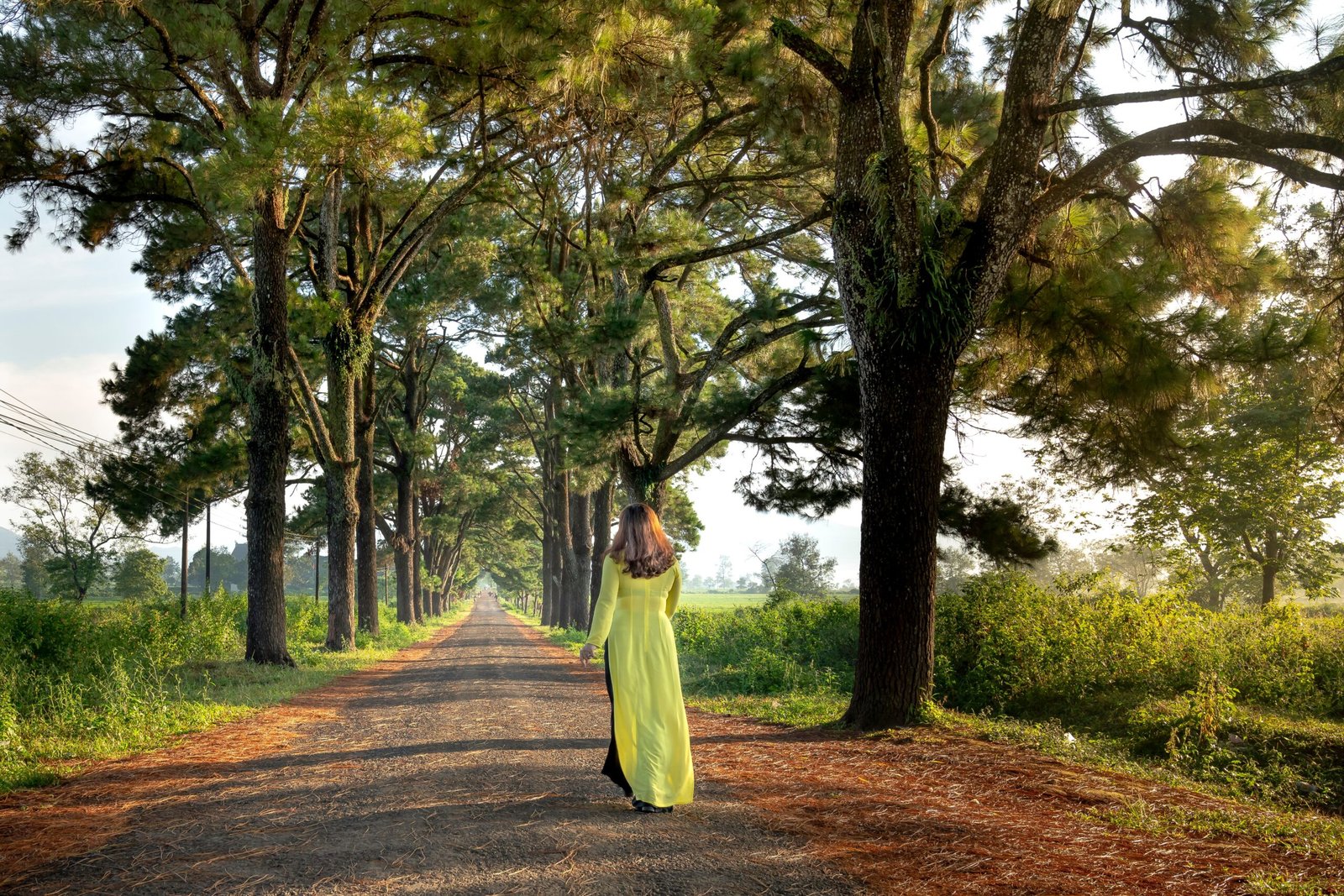
Primal eating gets most of the attention, but in Mark Sisson's framework food is only one part of the picture. The Primal Blueprint pairs eating whole food with moving often, lifting heavy things occasionally, sprinting rarely, sleeping well, getting sunlight, playing and avoiding the chronic stress and sitting that modern life encourages. This guide covers the three pillars that matter most for UK readers — movement, sleep and sunlight — and turns them into routines that work in British weather, British working hours and British winters, without requiring a gym membership, a wearable device or a complete life overhaul.
This is general information, not medical advice. If you have a health condition, are recovering from injury, take medication, or are pregnant, speak to your GP or a qualified professional before changing your activity or sleep habits.
Source context: why primal is a lifestyle, not just a food list
The central entity here is the daily routine, not the diet plate. Primal thinking starts from the observation that human bodies evolved for regular, varied, low-level movement through the day, punctuated by occasional intense effort, with sleep governed by daylight and darkness — and that modern life inverts all of that: sitting for most of the day, exercising intensely for an hour or not at all, and living under artificial light late into the night. The lifestyle pillars are therefore not extras added to the diet for enthusiasm; they are the other half of the same idea. A reader who eats well but sits for ten hours, sleeps six hours and rarely sees daylight is following half the framework.
The good news is that the lifestyle pillars are more forgiving than the food list. They do not require perfection, expensive equipment or dramatic change. Small, consistent habits — walking daily, sleeping at regular times, getting outside in the morning — account for most of the benefit, and they are available to almost everyone regardless of fitness level.
Movement: move often, sit less, lift sometimes
The primal movement model has three layers, and the order matters. The foundation is frequent, low-level movement throughout the day: walking, standing, gardening, housework, taking the stairs, cycling for short trips. On top of that comes regular strength work — lifting heavy things two or three times a week — and on top of that, occasional brief intense effort, such as sprinting or a hard interval session, perhaps once a week or less. Most people get the pyramid upside down, sitting all day and then doing one exhausting workout, and wondering why they still feel stiff and tired.
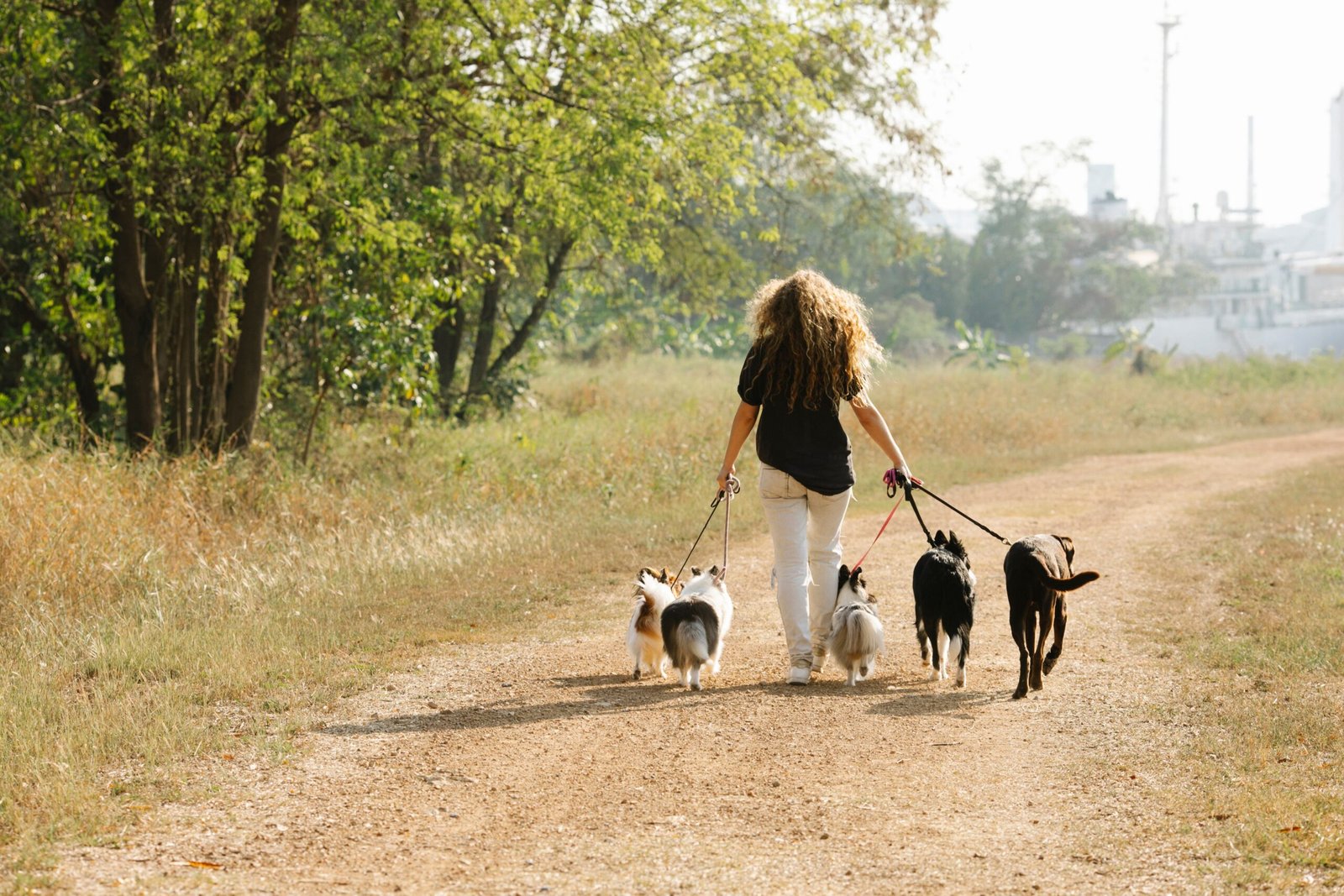
For UK readers, walking is the foundation that actually fits. The NHS recommends adults aim for at least 150 minutes of moderate activity a week, such as brisk walking or cycling, or 75 minutes of vigorous activity, spread across the week. A brisk 30-minute walk on five days meets the moderate target on its own, and it can be built into commuting, lunch breaks, school runs and dog walks rather than added as a separate chore. Walking in daylight doubles as sunlight exposure, which is why the morning walk is the single highest-value habit in this guide.
Sitting is the other half of the movement problem. A day with an hour of exercise followed by nine hours of sitting is still a sedentary day in important respects. The practical fixes are small: stand up and move for a few minutes every hour, walk while taking phone calls, use a standing desk for part of the day if you have one, and take the longer walking route rather than the shortest one. A cheap step counter or phone app can help, but the target is less important than the pattern — regular movement through the day beats a single step-count goal hit and then forgotten.
Strength work, in primal terms, means lifting heavy things: bodyweight exercises, dumbbells, kettlebells, resistance bands or gym machines, two or three times a week, working the major muscle groups. It does not require a gym — press-ups, squats, lunges, rows with a resistance band and carrying heavy shopping bags all count as starting points — and it matters more as we age, because muscle mass and bone density decline without resistance work. The detailed beginner programme is covered in the companion movement article; the point here is that strength work is a regular, moderate habit, not an extreme one.
Sprinting and high-intensity work are the smallest layer. In the primal framework they are brief, infrequent and genuinely hard — a few short sprints, a hill session, or a hard interval workout — and they are optional for beginners. If you are new to exercise, build the walking and strength habits first for several weeks before adding intensity, and stop if anything hurts in a way that feels wrong rather than merely tiring.
Sleep: the pillar most people neglect
Sleep is where the primal lifestyle most directly conflicts with modern habits, and it is the pillar with the most immediate payoff. The NHS advises that adults typically need between seven and nine hours of sleep a night, yet many UK adults regularly get far less, and the effects — low energy, poor concentration, stronger cravings for sugary and processed food, worse mood — are felt the next day, not in some distant future.
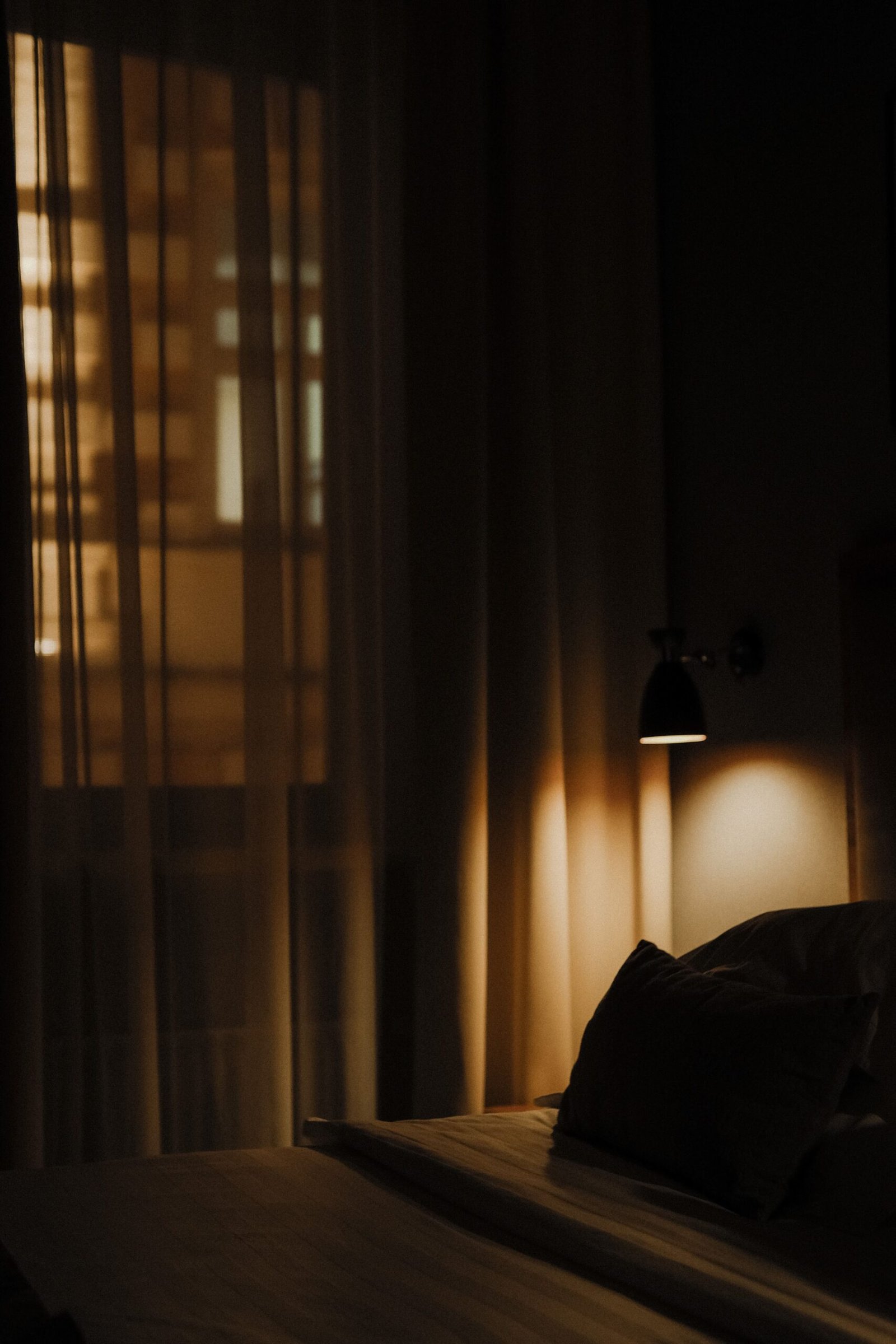
Primal sleep advice is essentially sleep hygiene with an ancestral rationale: sleep in a dark, cool, quiet room; keep regular sleep and wake times, including at weekends where possible; wind down before bed rather than working or scrolling until lights out; and get bright light in the morning to set the body's clock. The details are worth spelling out because each one is easy to dismiss and each one helps.
Regularity matters more than most people expect. Going to bed and waking at roughly the same times each day stabilises the body's internal clock, so you feel sleepy at bedtime and alert in the morning. A weekend lie-in of several hours shifts that clock and makes Monday morning harder — a smaller, consistent schedule with a modest weekend variation works better than a chaotic week followed by a long sleep-in.
The bedroom environment matters too. A cool room, usually around 16 to 19 degrees for most people, blackout curtains or an eye mask, and earplugs if noise is a problem all support deeper sleep. The bed should be for sleep rather than for working, watching television or scrolling, so the brain associates it with winding down. Removing screens from the bedroom is the single change most readers resist and most benefit from, because screens provide both light and stimulation at exactly the wrong time.
Caffeine, alcohol and late meals all affect sleep quality, not just sleep length. Caffeine late in the day delays sleep onset, so a cutoff in the early afternoon — often around midday to 2pm for sensitive sleepers — is a practical rule. Alcohol may help you fall asleep but fragments sleep later in the night and is one of the most common causes of poor sleep quality. A large, heavy meal close to bedtime can cause discomfort and reflux, so finishing eating a few hours before bed suits most people.
Naps have a place, but a short one: a 20-minute nap in the early afternoon can refresh without disturbing night sleep, while a long late-afternoon nap often does the opposite. If you struggle to fall asleep at night, skip the nap and protect the night's sleep pressure instead.
Sunlight: the UK problem, honestly addressed
Sunlight is the primal pillar that is hardest in the UK, and this guide does not pretend otherwise. British winters are dark, short and often overcast, and the latitude means the sun is weak from roughly October to March. The honest approach is to maximise what is available and to be realistic about supplements and light exposure in winter.
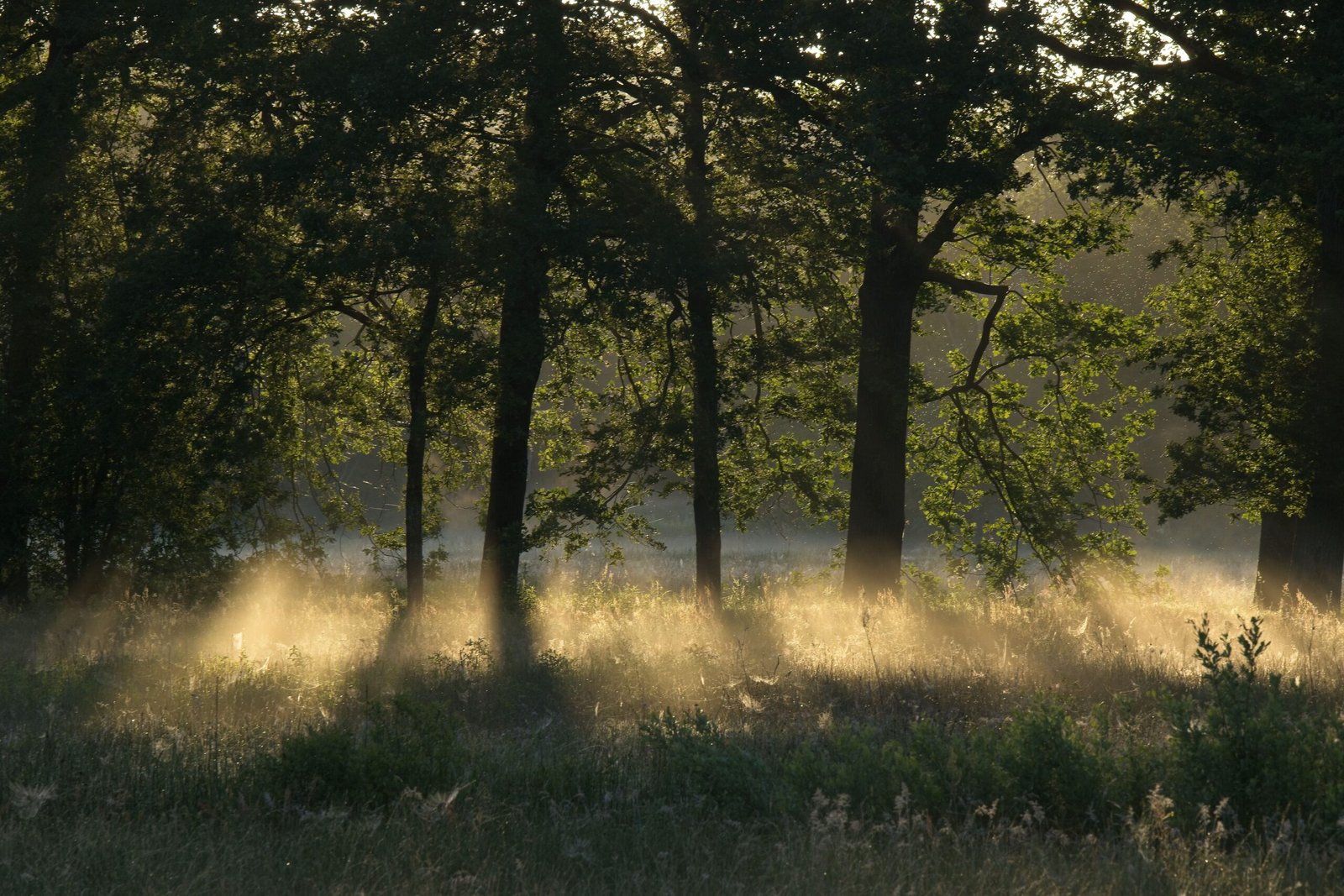
From late March to September, the practical advice is straightforward: get outside in daylight every day, preferably in the morning, for at least 20 to 30 minutes, with some skin exposed when the weather allows. Morning light is particularly valuable because it sets the circadian clock that governs sleep that night, so a morning walk serves both the movement and the sleep pillars at once. Midday light is strongest for vitamin D production in summer, but sunburn risk rises with it — short, regular exposure without burning is the aim, not sunbathing to the point of redness, and sunscreen is appropriate for longer exposure.
In winter, daylight is scarce but not absent. A walk at lunchtime, when daylight is brightest, is worth more than a walk after dark, and sitting near a window or working in a bright room helps, though window glass blocks the ultraviolet light involved in vitamin D production. Many UK adults have low vitamin D levels in winter, and the NHS advises that adults consider a daily vitamin D supplement of 10 micrograms from October to early March — a general public health recommendation that is worth following regardless of diet, and worth discussing with a pharmacist or GP if you have specific health conditions or take medication. This article does not recommend megadoses or specific brands; the standard NHS winter dose is the reference point.
Light therapy lamps and dawn simulators are used by some people for winter low mood and disrupted sleep, and they may help some readers, but they are not a substitute for daylight and their evidence is mixed. If winter low mood is significant or persistent, speak to your GP rather than self-treating with a lamp.
The UK-specific habits that tie this together are simple: a morning walk year-round, a lunchtime walk in winter, outdoor exercise and gardening in summer, and a willingness to be outside in light rain and cloud — overcast daylight is still daylight, and a walk in drizzle counts fully for movement and light even if it feels less appealing than a sunny one.
Play, stress and the rest of the framework
Beyond the three pillars, primal thinking includes play, stress management and social connection, and they are worth a brief mention because they explain why the framework feels different from a conventional diet. Play — unstructured, enjoyable physical activity, from a kickabout to dancing to playing with children or dogs — is movement that does not feel like exercise, and it is easier to sustain for that reason. Stress management matters because chronic stress affects sleep, appetite and food choices directly; walking, time outdoors, breathing exercises and time with other people are the low-tech tools that actually help, and they overlap with the pillars above. Social eating, similarly, is part of why restrictive diets fail: a framework that allows a flexible meal with friends, the 80/20 rule in primal terms, is more sustainable than one that forbids it.
None of this requires a retreat, a course or a device. The framework is deliberately low-tech: walk, lift, sleep, get outside, eat whole food, enjoy yourself sometimes.
A practical daily routine
A realistic UK day built on these pillars looks like this. Morning: wake at a regular time, get outside for a walk or daylight within an hour of waking, eat a protein-based breakfast. Midday: walk at lunchtime, especially in winter, eat lunch away from your desk if possible, and stand and move regularly through the afternoon. Evening: a strength session two or three days a week or a walk on other days, dinner a few hours before bed, screens off an hour before sleep, a wind-down routine of reading, stretching or a warm bath, and a cool, dark bedroom. Weekend: a longer walk, a hike, a cycle ride, gardening or sport — something enjoyable and outdoors that covers movement, light and play at once.
That routine is a template, not a prescription. Shift workers, parents of young children, carers and people with variable schedules will need to adapt it, and adapting it is not failing at it — the pillars are directions, not rules, and a partial routine followed consistently beats a perfect routine followed for a week.
FAQ
Do I need a gym for the primal lifestyle?
No. Walking, bodyweight exercises, resistance bands and household activities cover the movement pillars. A gym is useful for heavier strength work and for winter exercise, but it is not required, and the foundation — daily walking — needs no equipment at all.
How much sleep do adults need?
The NHS advises that adults typically need between seven and nine hours a night. Individual needs vary, and the best guide is how you feel during the day: consistently tired, irritable or craving sugary food suggests you need more or better sleep, not just more time in bed.
Can I get enough sunlight in a UK winter?
Daylight in winter is limited, and vitamin D production from sunlight is minimal from October to March at UK latitudes. Maximise daylight with morning and lunchtime walks, and consider the NHS winter vitamin D recommendation of 10 micrograms daily from October to early March, discussing it with a pharmacist or GP if you have health conditions.
Is sprinting necessary?
No, especially not for beginners. Sprinting is the smallest, most optional layer of primal movement. Build daily walking and regular strength work first, and add brief intense effort only when you are fit enough to do it safely.
Related reading
- Primal Diet Plan for Beginners UK: Complete Guide
- Primal Movement Exercises for Beginners
- Primal Sleep Habits Guide
- Primal Diet on a Budget UK: Costs in £
- Primal vs Paleo: Key Differences Explained