
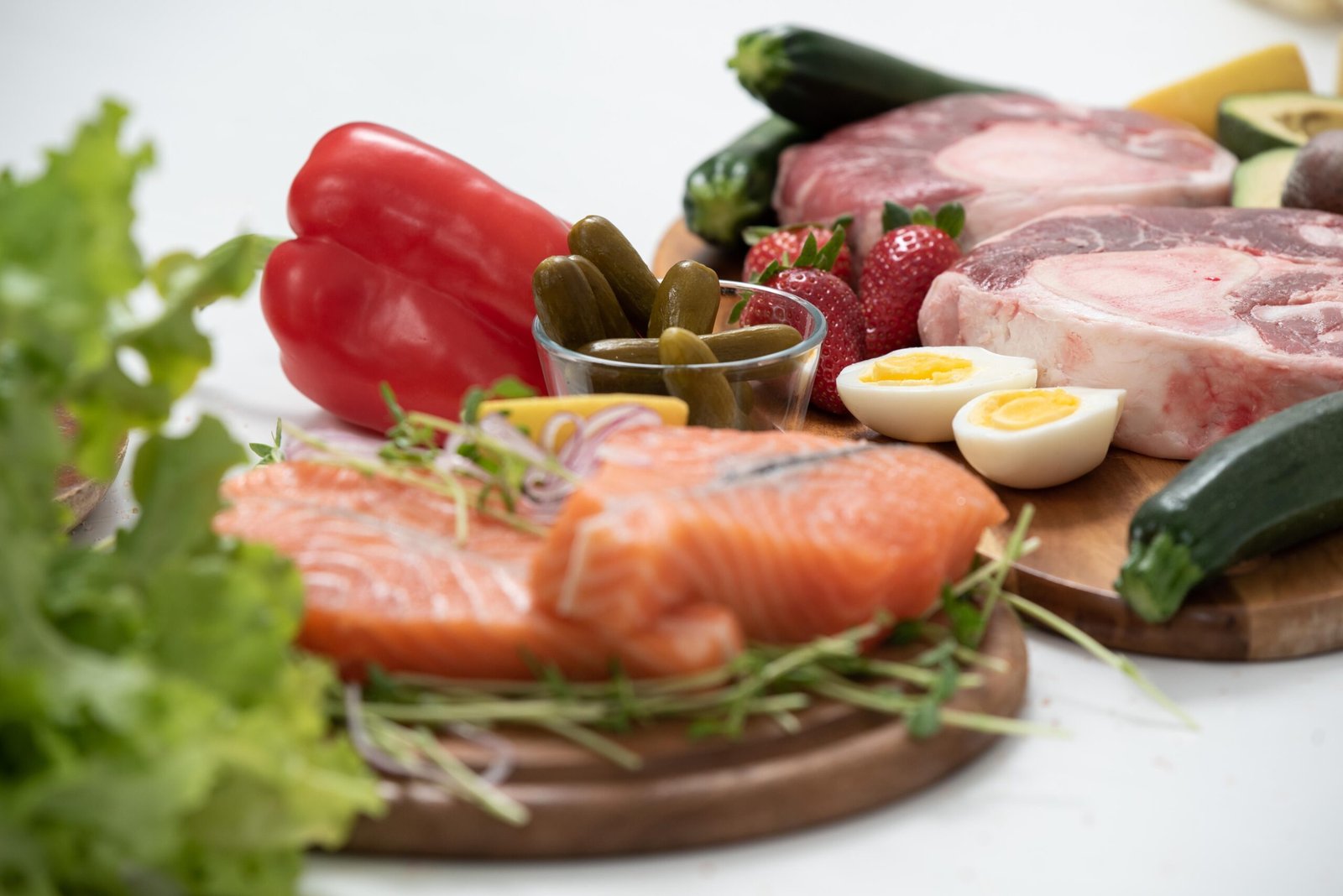
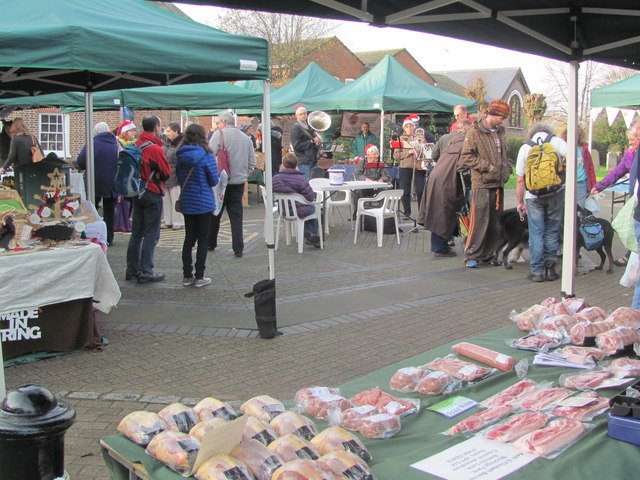
A food list is only useful if you can actually shop from it, so this is a primal diet food list built for UK kitchens: supermarket shelves, butchers, farmers' markets and veg boxes, with the seasonal and budget realities that shape a real weekly shop. It follows the same framework as our beginner guide — whole, minimally processed food first, grains, legumes, refined sugar and highly processed food out — and it flags the judgement calls rather than pretending there are none.
This is general information, not medical advice. If you have a health condition, food allergies, or take medication, speak to a GP or registered dietitian before changing your diet.
How to use this list
Primal eating is organised here in three tiers, matching how most people actually use it:
- Eat freely: the foundation of most meals.
- Eat in moderation, if you tolerate them: foods that are allowed in primal eating but where portion, frequency or personal tolerance matters.
- Avoid, or treat as occasional exceptions: foods outside the primal framework, covered by the 80/20 rule rather than by guilt.
The tiers are not a ranking of virtue. A food in the "moderation" tier is not a failure; it is a food where your body, your budget and your goals should have a say.
Eat freely
Meat and poultry
Beef, lamb, pork, chicken, turkey, duck and game — fresh, unprocessed, and cooked from scratch. Cheaper cuts are not second-class primal food: chicken thighs, beef mince, pork shoulder, stewing steak, lamb neck and whole chickens are often tastier slow-cooked than premium cuts are grilled, and they cost far less per kilo.
Organ meats belong here too, and they are one of the most nutrient-dense parts of the traditional pattern: liver, kidney, heart and bone marrow. If you are new to them, start with liver pâté or a small amount of liver mixed into mince dishes, and build up gradually.
Processed meats — sausages with long ingredient lists, bacon, ham, salami and cured meats — are not in this tier. A butcher's plain sausages with a short, recognisable ingredient list are a different proposition from a heavily processed supermarket product, but they are still best treated as occasional rather than everyday.
Fish and seafood
All fish and seafood: salmon, mackerel, sardines, trout, cod, haddock, sea bass, prawns, mussels, squid and crab. Oily fish — salmon, mackerel, sardines, trout and herring — deserve a regular place in the week, and they are also the cheapest way to get the long-chain omega-3 fats that beef alone does not provide in large amounts.
Tinned sardines, mackerel and tuna are pantry staples, not compromises: cheap, long-life, and ready in minutes. Frozen fish fillets are equally practical and reduce waste. Fresh fish from a fishmonger or supermarket counter is best for weekend cooking, but there is no need to buy fresh every day.
Eggs
Free-range eggs are a backbone primal food — quick, cheap, versatile, and complete. Boiled for snacks, scrambled for breakfast, baked into frittatas with leftover vegetables, or used to bind meatballs and burgers. If you can buy from a local farm or farmers' market, do; otherwise standard free-range supermarket eggs are fine.
Vegetables: the largest part of the plate
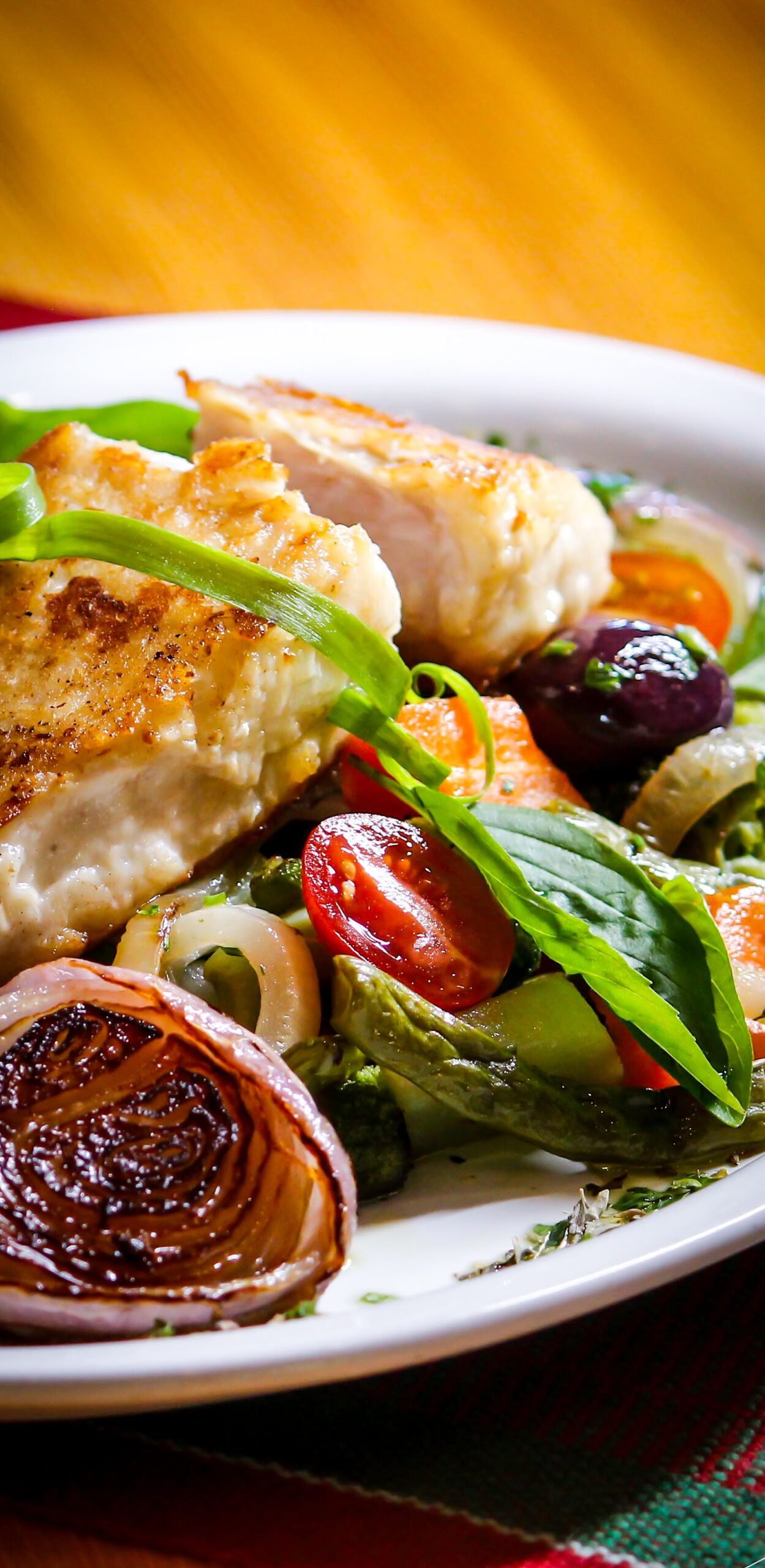
All vegetables, with leafy greens and brassicas doing the heavy lifting: spinach, kale, chard, broccoli, cauliflower, cabbage, Brussels sprouts, courgettes, carrots, onions, garlic, peppers, mushrooms, green beans, asparagus, aubergines and tomatoes.
Seasonal UK vegetables keep costs down and quality up: cabbage, leeks, swede, parsnips and kale in winter; asparagus, broad beans (as a vegetable, not a pulse staple) and new potatoes in spring; courgettes, runner beans, tomatoes and peppers in summer; squash, beetroot and mushrooms in autumn. Frozen vegetables — broccoli, green beans, peas as a vegetable side, mixed vegetables — are nutritionally sound everyday options and eliminate waste. Pre-prepared stir-fry mixes and salad bags are acceptable shortcuts when they contain only vegetables, not sauces or dressings with added sugar.
Vegetables should take up a large share of the plate at most meals. A primal plate that is only meat and cheese is not a balanced version of the diet, whatever the food list says.
Fruit
Berries, apples, pears, citrus fruit, kiwis, melons, stone fruit, bananas and grapes — fresh or frozen. Berries are the best everyday choice: lower in sugar than many fruits, high in fibre, and cheap frozen. Bananas and apples are useful portable snacks. Very sweet dried fruit — dates, raisins, dried mango — is better treated as an occasional food, since it is easy to eat the sugar of several whole fruits in a handful.
Fruit juice and smoothies do not count the same way as whole fruit. Juicing removes much of the fibre and concentrates the sugar, so a glass of juice is not equivalent to eating the fruit it came from.
Nuts and seeds
Almonds, walnuts, hazelnuts, cashews, pecans, Brazil nuts, macadamias, pumpkin seeds, sunflower seeds, chia seeds and flaxseed. They add crunch, fat and protein to salads, yoghurt and snacks, and they are useful for portable food.
Portions matter here. Nuts are energy-dense, and a handful is a snack while a whole bag is a meal's worth of energy. Buying them unsalted and unroasted in oil keeps them closest to whole food. Nut butters should list nuts — and perhaps a little salt — as the only ingredients; sweetened or hydrogenated spreads are not primal food.
Healthy fats and oils
Olive oil, coconut oil, avocado oil, butter, ghee, lard and dripping from well-sourced animals, and the fat naturally present in meat, fish, nuts, seeds and avocados. Olive oil is the everyday cooking and dressing oil; butter and ghee are for frying and flavour; coconut oil suits curries and roasting. This is the tier where primal differs most visibly from low-fat eating, and it is also where portion awareness matters most, because fat is energy-dense.
Herbs, spices and flavourings
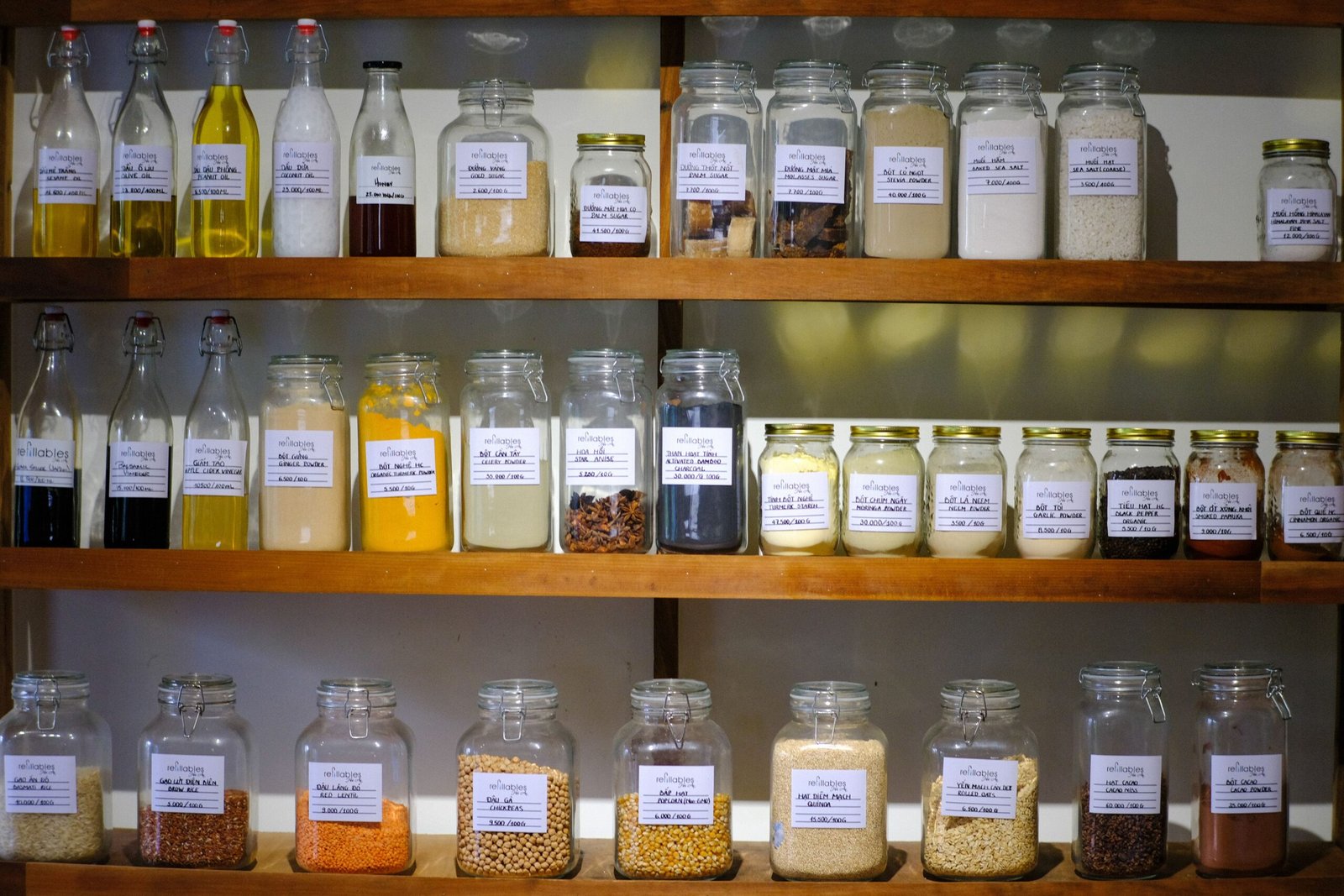
Fresh and dried herbs, spices, garlic, ginger, chilli, mustard, vinegar, lemon and lime juice, and salt and pepper — generously. These are what stop a whole-food diet from tasting plain, and they cost almost nothing. Check spice mixes and sauces for added sugar, flour or flavour enhancers; single spices and simple blends are the safe default.
Eat in moderation, if you tolerate them
Full-fat dairy
Milk, cheese, plain yoghurt, kefir, cream and butter, preferably from grass-fed animals where you can find it. This is primal's biggest departure from strict paleo, and it is conditional: if dairy upsets your digestion, skin or sinuses, skip it and the diet still works. Fermented dairy — plain yoghurt and kefir — is often better tolerated than milk, and hard cheeses are lower in lactose than soft ones.
Low-fat, sweetened or flavoured dairy products are not in the spirit of the diet: flavoured yoghurts are often desserts in disguise, and low-fat cheese rarely satisfies. If you eat dairy, eat the full-fat, plain version.
A note on raw dairy: primal sources often prefer raw milk and cheese. In the UK, raw drinking milk can only legally be sold direct from registered farms and vending machines in England, Wales and Northern Ireland, and is banned from general retail sale in Scotland. Pasteurised full-fat dairy is the practical option for most UK readers.
Starchy vegetables
Sweet potatoes, potatoes, squash, parsnips, beetroot and carrots. These are openly allowed in primal eating, unlike in stricter low-carbohydrate diets, and they are useful for active people, for anyone who finds very low-carbohydrate eating unsustainable, and for adding substance to a meal without grains.
Keep the skins on potatoes and sweet potatoes where possible, and cook them well. Portions should reflect your activity: a desk-based day needs less starch than a day of manual work, long walks or training.
Nightshades
Tomatoes, peppers, aubergines and potatoes. Most primal eaters include them without issue. A minority report that nightshades aggravate joint pain or digestive symptoms; if you suspect a reaction, try removing them for a few weeks and reintroducing one at a time, rather than assuming the worst from internet lists.
Natural sweeteners and treats
Raw honey and maple syrup, in small amounts, rather than as everyday sweeteners. Dark chocolate, typically 70% cocoa or higher, as an occasional treat. Dried fruit, as noted above, belongs in this tier too. These foods are allowed in primal eating, but "allowed" is not the same as "eat daily": they are still concentrated sources of sugar or energy.
Coffee, tea and alcohol
Coffee and tea are allowed, ideally without sugar. Milk in coffee is a dairy-tolerance question, not a rule. Alcohol is treated as an occasional indulgence in Sisson's framework — red wine and clear spirits rather than grain-based beer — but keeping it occasional is the honest advice for most people, and it is the first thing to cut if weight or sleep is a concern.
Foods to avoid on the primal diet
- All grains: wheat, barley, rye, oats, rice, corn and anything made from them — bread, pasta, breakfast cereals, crackers, couscous, noodles, pastry, pizza bases and most baked goods. This includes wholegrain versions: wholemeal bread is still bread, and it is out under the primal framework even though official UK guidance values wholegrains for fibre.
- Legumes: beans, lentils, chickpeas, peas as a pulse, peanuts and soya. Some primal interpretations allow small amounts of fermented soya foods such as tempeh or miso, or well-soaked legumes, but beginners should treat legumes as out for the first few weeks and judge from there. Hummus, bean chilli and lentil soup are therefore not primal staples, whatever their other nutritional merits.
- Refined sugar and artificial sweeteners: white sugar, syrups, sweets, fizzy drinks, fruit juice drinks, and most "low-calorie" sweetened products. Honey and maple syrup are the only sweeteners in the moderation tier, and they are not everyday substitutes.
- Industrial seed oils and processed fats: refined sunflower, rapeseed, soybean and corn oils, margarine, and anything listing hydrogenated or partially hydrogenated fat. Olive oil, butter and coconut oil replace them.
- Highly processed foods: ready meals, processed meats with long ingredient lists, crisps, most takeaway-style fried food, instant noodles, and anything where sugar, refined flour or additives do most of the work. The test is simple: if you cannot recognise the ingredients as food, it is probably out.
FAQ
Can I eat potatoes on the primal diet?
Yes. Potatoes and sweet potatoes are openly allowed in primal eating, unlike in strict paleo or keto. They are starchy vegetables in the moderation tier: useful for active people and for adding substance to meals, with portions matched to your activity level.
Is cheese allowed on the primal diet?
Yes, if you tolerate it. Full-fat cheese is allowed in primal eating, unlike strict paleo which excludes all dairy. Hard cheeses and fermented dairy are often better tolerated than milk. If dairy upsets you, skip it; the diet works without it.
Can I eat rice or oats on the primal diet?
No, not within the framework. Rice and oats are grains, and all grains are excluded in primal eating. Sweet potatoes, squash and other starchy vegetables are the usual substitutes for the substance grains provide.
Are beans and lentils primal?
No, as a general rule. Legumes are excluded in primal eating, though some interpretations allow small amounts of fermented soya or well-soaked legumes if well tolerated. Beginners should treat them as out for the first few weeks.
What cooking oils are primal?
Olive oil, coconut oil, avocado oil, butter, ghee and animal fats such as lard and dripping. Refined industrial seed oils — sunflower, soybean, corn and refined rapeseed oil — and margarine are out.