
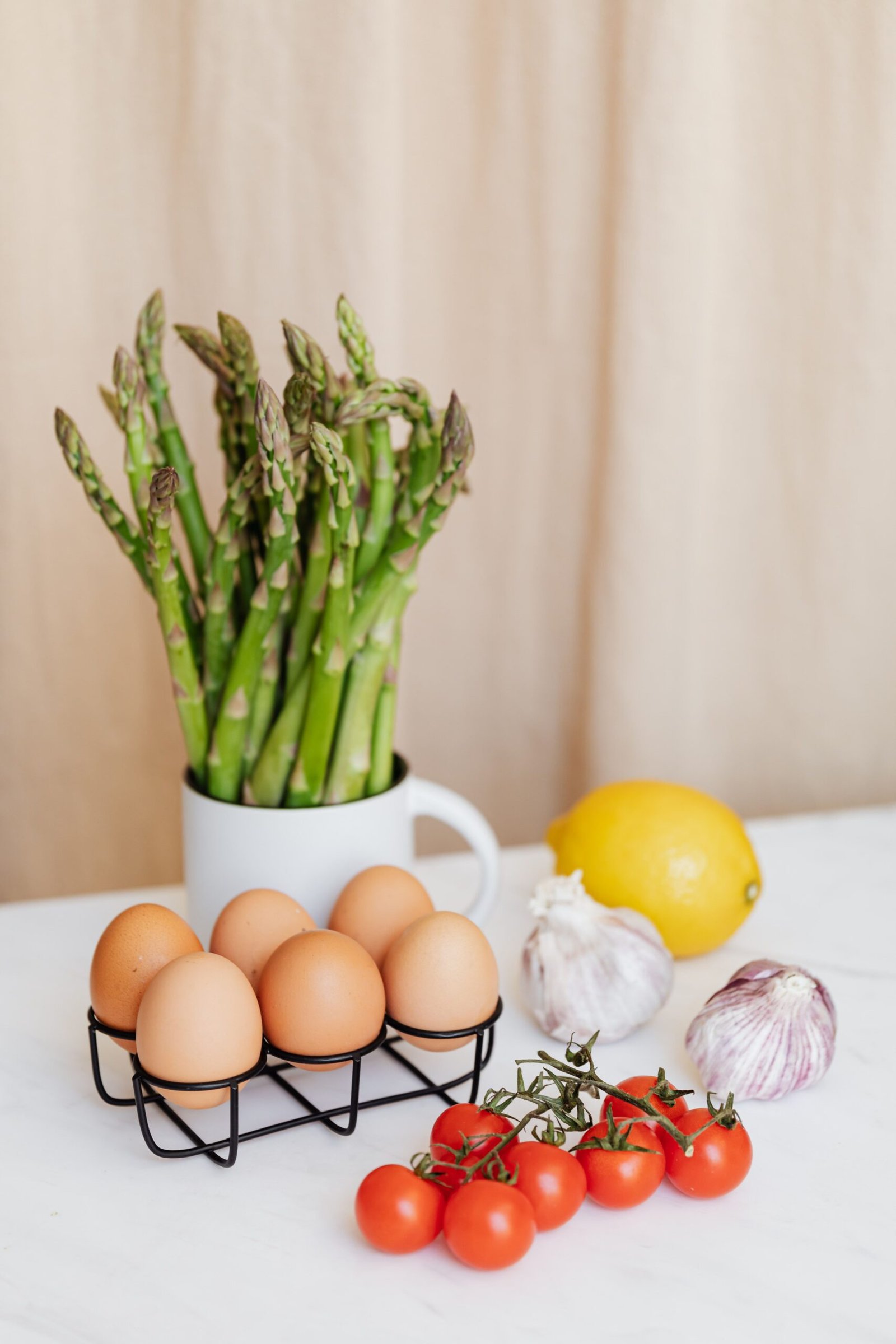
Primal eating has a reputation for being expensive, and it is easy to see why. Grass-fed steak, wild salmon, organic vegetables and artisan cheese fill the glossy version of the diet, and priced that way, a weekly shop can look alarming. The everyday version is different. Built on eggs, chicken thighs, tinned fish, seasonal vegetables, frozen produce and cheaper cuts cooked slowly, primal eating in the UK can cost roughly what an ordinary whole-food shop costs — and often less than a shop full of ready meals, takeaways and snacks. This guide works through realistic costs in pounds, where the money actually goes, and the tactics that keep the bill down without turning every meal into a compromise.
This is general information, not medical advice. If you have a health condition, take medication, or are changing your diet significantly, speak to your GP or a registered dietitian first.
Source context: what "budget primal" actually means
The primal framework, as set out by Mark Sisson, is a whole-food pattern: meat, fish, eggs, vegetables, fruit, nuts, seeds and natural fats, with grains, legumes, refined sugar and highly processed food out, plus full-fat dairy if you tolerate it and a lifestyle layer of walking, lifting, sleep and sunlight. Nothing in that definition requires grass-fed fillet steak or organic everything. The central entity here is the UK weekly shop, not the premium version of the diet. A budget version keeps the same food list and the same exclusions, and changes only where the food comes from and which cuts and formats you choose: frozen instead of fresh fish, thighs instead of breasts, mince and stewing cuts instead of steak, and seasonal vegetables instead of imported out-of-season produce.
That distinction matters because the most common budgeting mistake is to price the aspirational shop and conclude the diet is unaffordable. Price the practical shop instead and the picture changes completely.
What a primal week actually costs
Costs vary by household size, region, supermarket and appetite, so treat every figure below as a range for one adult cooking most meals at home, not as a promise. The ranges reflect typical UK supermarket and discounter prices in 2026 and will move with offers and seasons.
A single adult eating a practical primal diet — eggs or yoghurt for breakfast, a meat- or fish-based lunch with vegetables, a cooked dinner with a large vegetable portion, and simple snacks — can typically expect a weekly food bill in the region of £45 to £70 at a mainstream supermarket, or roughly £35 to £55 at a discounter such as Aldi or Lidl, once basic pantry staples such as olive oil, salt and spices are already in the cupboard. A couple sharing meals usually spends in the region of £70 to £110 a week, since the per-person cost falls when you cook in larger quantities. Families will spend more in total but less per head again, especially if children eat the same meals with added starchy sides.
Where does the money go? Protein is the largest share, typically around half the bill. Fresh meat and fish are the most expensive items per kilo, which is why the protein choices below matter more than any other single decision. Vegetables are the second share, but they are also where the savings are easiest: seasonal and frozen vegetables cost a fraction of imported, pre-prepared or out-of-season produce. Fats, dairy and pantry items are a smaller, steadier cost once the cupboard is stocked, and snacks — nuts, cheese, fruit — are the category that most often blows the budget, because they are bought in small packs at premium prices.
For comparison, a shop built on ready meals, takeaways and café lunches easily exceeds these ranges. A single delivered takeaway can cost £12 to £18, and a week of bought lunches at £6 to £9 a day adds £30 to £45 before dinner is counted. Cooking primal food at home is not cheap in absolute terms, but it is competitive with how many people actually eat, and it replaces some of the most expensive habits — snacking, drinking and ordering in — with food you prepare yourself.
The cheapest primal proteins, ranked by value
Protein is where a budget primal diet is won or lost. The cheapest sources per gram of protein in a UK supermarket are consistently eggs, tinned fish, chicken thighs and legs, and pork and beef mince — not steak, salmon fillets or lamb chops.
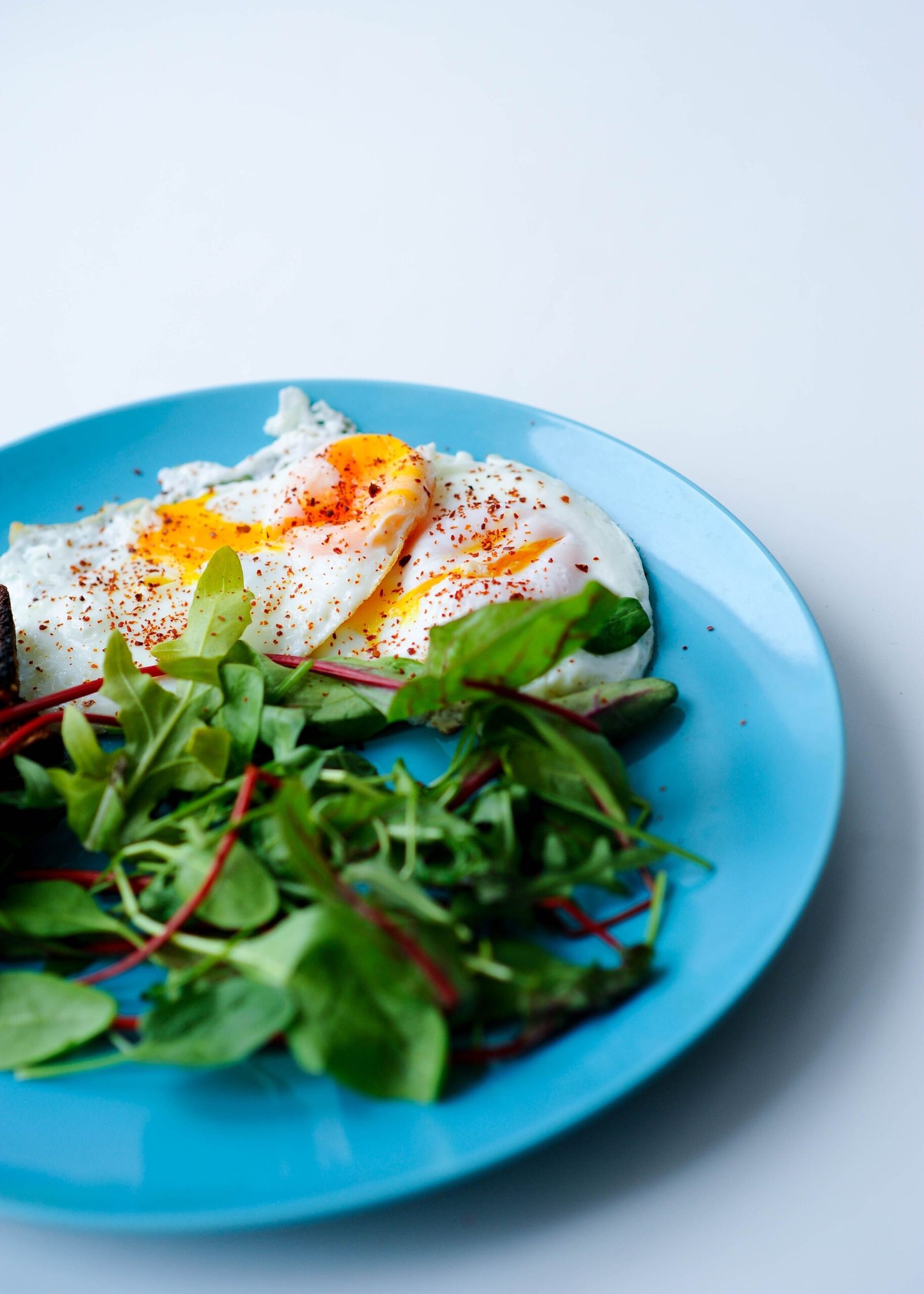
Eggs are the standout. A dozen free-range eggs typically costs in the region of £3.50 to £4.50, and a box of six often works out at roughly £1.80 to £2.50 depending on the store. Two or three eggs make a filling breakfast or a quick dinner with vegetables, at well under £1 per portion for the eggs themselves. They are also the most versatile budget food in the primal kitchen: boiled for snacks, scrambled, baked into frittatas with leftover vegetables, or used to stretch mince into burgers and meatballs.
Tinned fish is the second pillar. Tinned sardines, mackerel and tuna typically cost around £0.80 to £1.50 a tin, and sardines in particular are one of the cheapest ways to eat oily fish. A tin of sardines on salad, or tinned tuna mixed with olive oil and lemon, is a complete lunch for about £1 to £2. Frozen white fish fillets, often around £3 to £4 for a pack of four, are another low-cost staple, and frozen salmon portions, while dearer, are still usually cheaper per portion than fresh salmon fillets from the fish counter.
Chicken thighs and legs are far cheaper than chicken breasts. Breast fillets often run at roughly £6 to £8 per kilo, while thighs and drumsticks can be found for around £2.50 to £4 per kilo, and a whole chicken — typically £3 to £5 per kilo depending on size and welfare standard — is cheaper still. A whole roast chicken covers a roast dinner, cold meat for lunches, and stock from the carcass, which makes it one of the best-value purchases in the whole diet. Thighs also suit the primal kitchen better than breasts in many dishes: they stay moist in slow cooking, curries and tray bakes, and they carry more flavour.
Mince is the workhorse for beef and lamb. Beef mince commonly costs around £5.50 to £8 per kilo, with leaner mince at the higher end and standard mince cheaper. Turkey mince is often a little cheaper again, and pork mince and pork shoulder are among the cheapest fresh meats available. Mince stretches further than steak because it mixes with vegetables, eggs and seasoning: chilli-style dishes without beans, Bolognese-style sauces served over roasted vegetables or cauliflower, meatballs, burgers and cottage-pie-style bakes with a sweet potato or cauliflower topping all feed more people per kilo than a grilled cut.
Offal is the forgotten bargain. Liver, kidney and heart are nutrient-dense, traditional primal foods that cost a fraction of muscle meat — chicken livers are often under £5 per kilo and lambs' liver is usually among the cheapest items on the butcher's counter. If you are new to offal, start with liver pâté or a small amount of finely chopped liver mixed into mince dishes, where its flavour blends in, and build up from there.
At the expensive end, keep steak, lamb chops, fresh salmon fillets and grass-fed premium cuts as occasional foods rather than daily staples. There is nothing wrong with them, but building a daily diet on them is what makes primal eating look unaffordable. The budget rule is simple: eat the expensive cuts when they are on offer or for a weekend meal, and build the week on eggs, tinned fish, thighs, mince and stewing cuts.
Vegetables and fruit without the premium
Vegetables should be the largest part of the plate, and they are also the easiest place to save money. The rules are straightforward: buy seasonal, buy frozen, and avoid paying for preparation you can do yourself.
Seasonal UK vegetables are consistently the cheapest fresh option. In winter, cabbage, leeks, swede, parsnips, carrots and kale are usually under £1 per kilo or a few pounds for a large bag. In summer, courgettes, runner beans, tomatoes and peppers are at their cheapest and best. A weekly vegetable shop built on what is in season, plus onions, garlic and carrots as year-round staples, typically costs £8 to £15 for one adult, compared with double that if you buy imported, out-of-season or pre-prepared vegetables every week.
Frozen vegetables are nutritionally sound and often cheaper per portion than fresh, with no waste. Frozen broccoli, green beans, mixed vegetables, spinach and berries typically cost £1 to £2 a bag, and a bag covers several meals. Frozen berries in particular are a budget win: fresh berries are among the most expensive fruits per kilo, while frozen berries cost a fraction and work just as well in yoghurt, chia pudding and smoothies. The same logic applies to frozen fish and frozen herbs — the freezer is the budget primal cook's best friend.
Pre-prepared vegetables — stir-fry mixes, salad bags, spiralised vegetables, pre-cut squash — cost two to three times the whole vegetable for the same weight. They have a place on busy days, but as a daily habit they quietly add £5 to £10 a week. Washing, peeling and chopping your own, or batch-preparing vegetables on a Sunday, is one of the simplest savings available.
Fruit should be bought the same way: bananas, apples and seasonal fruit first, berries frozen rather than fresh, and dried fruit kept occasional, since it is expensive per portion and easy to overeat. Fruit juice is not a budget or primal staple — it costs more than whole fruit and removes the fibre — so skipping it saves money twice.
Fats, dairy and pantry: the slow-burn costs
Olive oil, butter, coconut oil, nuts, seeds and cheese look expensive on the shelf, but they last. A litre of olive oil at roughly £6 to £9 covers many weeks of cooking and dressings, and a block of butter lasts a fortnight or more in a one-person household. The mistake is to buy small bottles and small packs: a 250ml bottle of olive oil or a 100g bag of nuts costs far more per 100g than the larger size, and the budget shop buys the larger size and stores it properly.
Nuts and seeds deserve special attention because they are the classic budget leak. A small 150g bag of almonds or cashews can cost £2 to £3, and it disappears in a few days of snacking. Buying a 500g or 1kg bag, keeping it in an airtight jar, and portioning a small handful a day rather than eating from the bag brings the cost down sharply. Nut butters should list only nuts and perhaps salt; sweetened spreads are both more expensive and outside the primal framework.
Dairy, if you eat it, is best bought as plain, full-fat basics: a large tub of plain yoghurt rather than individual pots, a block of mature Cheddar rather than pre-grated cheese, and milk in the size you actually use. Flavoured yoghurts and individual desserts are among the highest-cost items per gram in the dairy aisle, and they are also the ones furthest from primal eating.
Spices, herbs, vinegar, mustard, tinned tomatoes and stock are cheap flavour. A well-stocked spice cupboard — cumin, paprika, chilli, turmeric, oregano, garlic powder, black pepper — costs little and transforms the same cheap proteins into different meals across the week, which is what stops a budget diet from becoming boring.
Shopping tactics that actually save money
The biggest savings come from how you shop, not from individual bargains. Shop with a list built from a weekly meal plan, and cook the plan rather than improvising from an empty fridge, which is when takeaways happen. Plan meals around the same core ingredients across the week — a roast chicken becomes cold lunches and soup, a batch of mince becomes two different dinners, a tray of roasted vegetables covers dinner and next-day salads — so nothing is bought for a single meal and wasted.
Shop the reduced section late in the day for meat and fish to freeze the same evening, and freeze in portions rather than whole packs, so you defrost exactly what you need. Check the price per kilo on the shelf label rather than the pack price: it is the only honest comparison between pack sizes, and it regularly reveals that the larger pack, the bone-in cut or the whole chicken is far cheaper than the neat fillet.
Use discounters for staples and a butcher or market for meat when you can. Discounters are consistently cheapest for eggs, tinned fish, frozen vegetables, olive oil, nuts and dairy basics, while a local butcher is often better value for stewing cuts, offal, bones and bulk mince, and will cut to order. Supermarket loyalty offers and meal-deal-style bundles are worth checking, but only for foods already on your list — an offer on food you would not otherwise buy is not a saving.
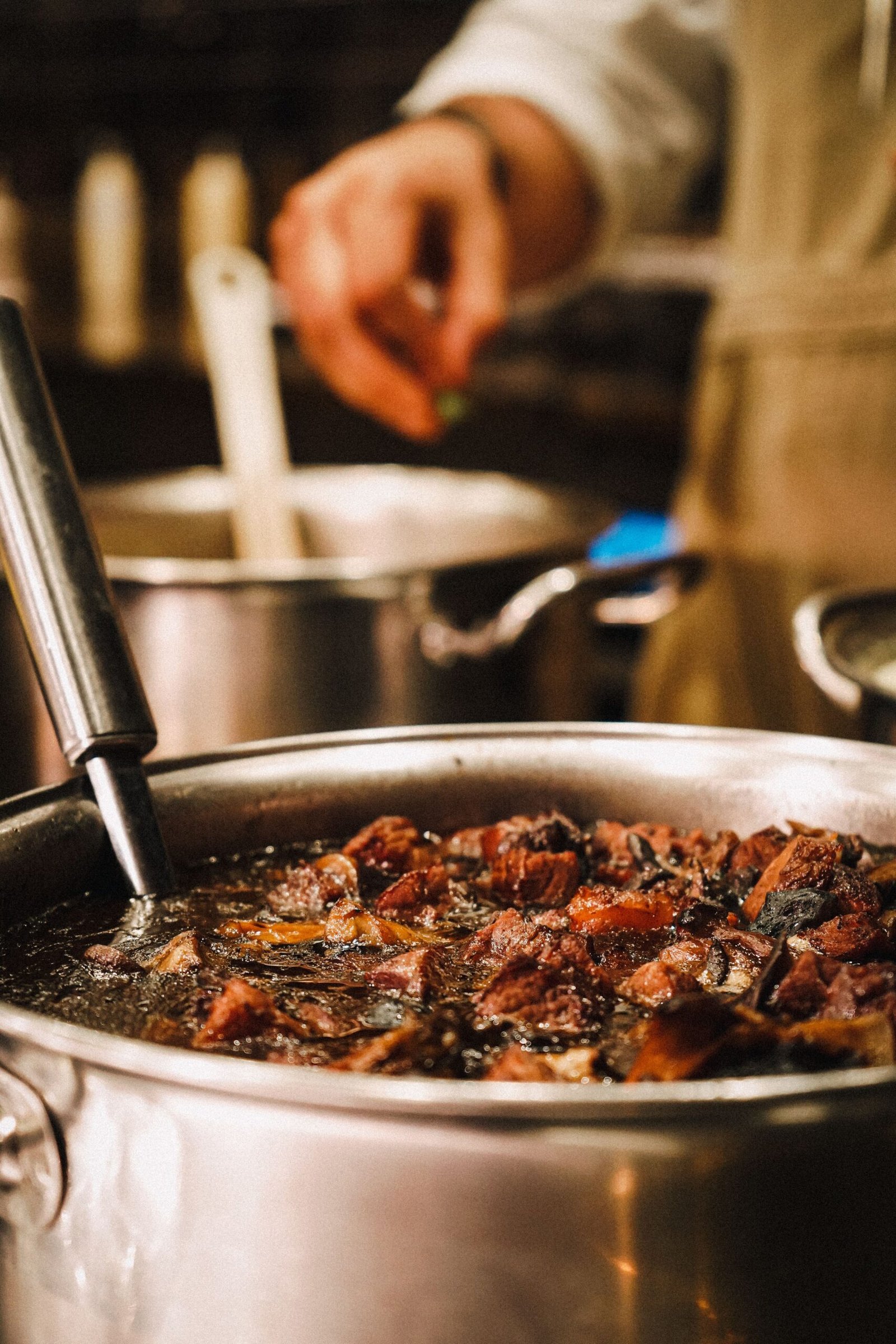
Batch cooking is the tactic that ties it all together. Cooking a large pot of stew, a tray bake or a batch of meatballs once and eating it over three or four days saves both money and time, and it removes the evening decision that leads to ordering in. A freezer stocked with portioned home-cooked meals is the budget primal cook's equivalent of a takeaway menu, except that it costs a few pounds a portion instead of £12 or more.
A sample budget week
To make the ranges concrete, here is a realistic one-adult week built on the principles above. Breakfasts rotate between eggs with vegetables, plain yoghurt with frozen berries and seeds, and chia pudding made the night before. Lunches are tinned sardines or tuna with salad, leftover roast chicken or stew, and egg salad. Dinners are mince with roasted vegetables, chicken thighs tray-baked with seasonal vegetables, a slow-cooked pork shoulder or beef shin stew, frozen fish with vegetables, and a frittata using leftover vegetables. Snacks are fruit, a handful of nuts, cheese or a boiled egg.
Priced at typical discounter and supermarket ranges, that week comes to roughly £40 to £60 for one adult, including vegetables, fruit, fats and dairy basics, once pantry staples are already in the cupboard. At a mainstream supermarket without offers, the same week is more likely to land at £55 to £75. Adding grass-fed steak, fresh salmon fillets and organic produce throughout would push it well above £80 — which is why those foods are treats in a budget version, not staples. The week is not a prescription; it is a demonstration that the arithmetic works when the protein choices are the cheap ones and the vegetables are seasonal or frozen.
What not to cut
Budgeting has limits, and cutting the wrong things makes the diet worse rather than cheaper. Do not cut vegetables to afford more meat: vegetables are the cheapest part of the plate and the part that makes the diet balanced. Do not replace fresh cooking with cheap processed meat — value sausages, nuggets and ready meals may look cheap per pack, but they are outside the primal framework and often poor value nutritionally. And do not skip meals to save money in a way that leaves you hungry and reaching for snacks later; a filling breakfast of eggs and vegetables is cheaper than the snacks that replace it.
The other thing not to cut is variety. Eating the same two meals every day to save money is a short road to giving up. Rotating proteins, changing spices and sauces, and using seasonal vegetables keeps the diet sustainable, and sustainability is what makes any food budget work over months rather than a single virtuous week.
FAQ
Is the primal diet expensive?
It can be, if built on premium cuts, fresh salmon and organic produce every day. Built on eggs, tinned fish, chicken thighs, mince, stewing cuts, seasonal and frozen vegetables, it typically costs roughly £35 to £70 a week for one adult, which is comparable to an ordinary whole-food shop and cheaper than a week of takeaways and bought lunches.
What is the cheapest primal breakfast?
Eggs with vegetables, usually well under £1 per portion for the eggs, or plain yoghurt with frozen berries and seeds. Both are filling, quick and far cheaper than café breakfasts or branded cereals.
Is grass-fed meat worth the extra cost on a budget?
Grass-fed meat has a somewhat different fat profile and is often preferred for flavour and farming reasons, but it is not essential to the primal framework, and the price premium is large. On a budget, prioritise eating whole, unprocessed food, and treat grass-fed cuts — especially cheaper grass-fed mince and stewing cuts — as occasional upgrades rather than daily staples.
How can I eat primal for less than £50 a week?
Shop at a discounter, build the week on eggs, tinned fish, chicken thighs, mince and stewing cuts, buy seasonal and frozen vegetables, buy nuts and oils in larger packs, batch-cook, and freeze reduced meat the day you buy it. The sample week above shows how those choices add up.
Related reading
- Primal Diet Plan for Beginners UK: Complete Guide
- Primal Diet Food List UK: What to Eat
- Where to Buy Grass-Fed Meat in the UK
- Paleo Shopping List UK (Tesco/Asda/Sainsbury's)
- Is the Primal Diet Healthy? Evidence Review