
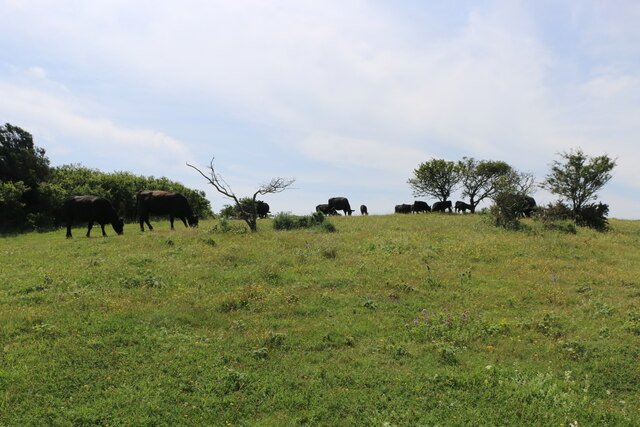
Grass-fed meat is one of the foods primal eaters ask about most — and one of the hardest to shop for with confidence, because "grass-fed" on a label does not always mean what shoppers assume it means. This guide covers where to buy grass-fed meat in the UK, what to ask before you pay a premium, and how to keep the cost manageable. It names types of supplier and established names to start from, but it does not promise prices or delivery terms, which change and should always be checked on the supplier's own site before ordering.
This is general information, not medical or nutritional advice. If you have dietary requirements or health concerns, speak to a GP or registered dietitian.
First, what "grass-fed" actually means in the UK
In the UK, the term "grass-fed" is not strictly regulated as a standalone label claim. That matters, because cattle can be described as grass-fed even if they were only grass-fed for part of their lives, or finished on grain — the final feeding period that most affects the meat's fat profile.
The clearest standard available to UK shoppers is the Pasture for Life certification mark, run by the Pasture-Fed Livestock Association. It guarantees that the animal ate only fresh and conserved grass and forage for its entire life, including the finishing period, with no cereal feeds at any stage. Farms carrying the mark are independently audited, and the meat can be traced back to the farm. If you want certainty rather than marketing, Pasture for Life is the label to look for.
Other labels tell you something, but not the same thing:
- Organic means the farm meets organic standards, which include access to pasture, but organic cattle can still receive some supplementary feed. Organic is a good welfare and farming standard; it is not a guarantee of 100% grass feeding.
- Free-range is not a meaningful term for beef cattle in the way it is for poultry. Most beef cattle spend time outdoors anyway; the label does not certify their diet.
- British, native breed, dry-aged or heritage describe origin, breed or processing, not feed. A native-breed steak can be grain-finished, and a dry-aged steak can come from either system.
The practical rule: if a supplier cannot tell you whether the animal was grass-fed for its whole life or only part of it, and whether it was grass-finished, treat the claim as unverified and decide whether the price is still worth it for taste and provenance alone.
Why primal eaters prefer grass-fed
The preference is not just philosophical. Grass-based feeding changes the fatty-acid composition of beef: reviews consistently find higher proportions of omega-3 fatty acids and conjugated linoleic acid (CLA) in grass-fed beef than in grain-fed beef, and grass-fed beef tends to be leaner overall. That said, the absolute amounts need perspective. Beef, grass-fed or not, is not a substitute for oily fish as a source of long-chain omega-3s — a portion of salmon provides far more EPA and DHA than a portion of beef — and the fatty-acid difference alone does not prove a clinical health benefit. The honest summary is that grass-fed beef has a somewhat different fat profile and is often preferred for flavour, animal welfare and farming reasons, but it is not a different food group from grain-fed beef, and it does not cancel out the general guidance to vary protein sources and limit processed meat.
Option 1: your local butcher — usually the best starting point
For most UK shoppers, a good local butcher is the best place to start, and often the best place to stay.
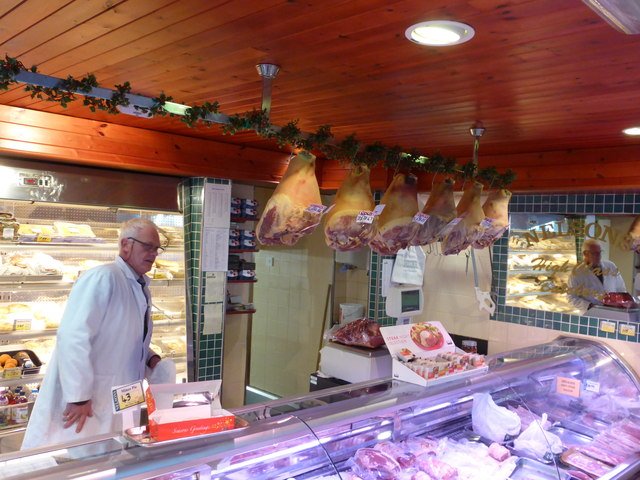
A butcher who buys whole carcasses or works directly with local farms can usually tell you which farms the meat came from, whether the cattle were grass-fed and grass-finished, and which cuts are in season and good value that week. They can cut to order, recommend cheaper cuts for slow cooking, and supply bones, offal and dripping that supermarkets rarely stock well. If your butcher cannot answer the grass-fed question, that is itself useful information — and a reason to ask whether they can source Pasture for Life or known grass-fed farms on request.
Tips for getting the most from a butcher:
- Ask the specific question: "Was this animal grass-fed for its whole life, and grass-finished, or grain-finished?" A butcher who knows their farms will answer directly.
- Ask about cheaper cuts: brisket, shin, skirt, onglet, featherblade and stewing steak are full of flavour when slow-cooked, and cost far less per kilo than fillet or sirloin.
- Buy in bulk when it suits you: a whole chicken, a rolled brisket or a bulk mince order portioned into the freezer is cheaper per kilo than buying steak by steak.
- Build the relationship: regular customers get told about gluts, special orders and whole-animal deals first.
To find a butcher, search for independent butchers in your town rather than relying on supermarket counters, and check whether local farm shops or farmers' markets have a meat stall — they often do, and the stallholder is usually the farmer or their butcher.
Option 2: farmers' markets and farm shops
Farmers' markets and farm shops are the next step up in traceability, because you are often buying directly from the farm. The stallholder can tell you about the breed, the pasture, the finishing system and the slaughter and ageing process, and you can taste the difference between farms.
The limitations are practical: markets run on specific days, farm shops may be a drive away, and selection varies with the season. They are best used as a regular top-up — a monthly stock-up on mince, stewing cuts and roasting joints — rather than as a sole source, unless you live nearby.
Look for stalls carrying the Pasture for Life mark, and ask the same whole-life, grass-finished question. A farm that is proud of its system will welcome it.
Option 3: online grass-fed butchers and meat boxes
Online suppliers are the most convenient option, especially outside towns with good butchers, and several established UK businesses specialise in grass-fed and Pasture for Life meat delivered nationwide in chilled boxes. The names below are starting points found in current listings, not endorsements, and their ranges, prices and delivery terms should be checked on their own websites before ordering.
Farm-direct and Pasture for Life specialists
- Primal Meats — a supplier built around the Pasture for Life standard, with grass-fed beef, lamb, hogget and mutton, and traceability information with each pack. A natural first look for readers who want the certification rather than a general grass-fed claim.
- The Organic Butchery — organic and grass-fed beef, lamb, chicken and salmon delivered nationwide, with Pasture for Life information on its site. Useful if you want organic and grass-fed in one order.
- Eversfield Organic — a family-run Devon business delivering organic meat, including grass-fed and some Pasture for Life beef and lamb, alongside vegetables and fish. Its own site is candid that not all of its meat is Pasture for Life certified, which is exactly the kind of transparency to look for.
- Pipers Farm — a Devon family farm known for slow-grown, high-welfare meat sold in boxes, with a strong reputation for taste and animal welfare. Check the current range for grass-fed specifics, as its boxes cover several meat types.
Online butchers with strong grass-fed ranges
- Farmison & Co — an award-winning online butcher offering British heritage-breed beef with detailed cut and breed choices, including grass-fed options and meat boxes. Good for readers who want to choose a specific breed or cut.
- Grid Iron Meat — a North Yorkshire online butcher working with a small number of local farms, specialising in British native-breed, grass-fed beef and lamb, dry-aged in-house. A good example of a regional specialist with nationwide delivery.
- Tunstall Meat Company — a Yorkshire farm and butcher shop selling native-breed, grass-fed beef and lamb, with local delivery around Richmond, North Yorkshire, and nationwide delivery by courier. Check current delivery thresholds on its site before ordering.
- Philip Warren Butchers — a long-established Cornish butcher and grazier selling grass-fed beef from small hillside farms, dry-aged on the bone. Worth considering for traditional dry-aged cuts.
- Beacon Farms — a Devon collective of farmers and butchers selling grass-fed beef, dry-aged before delivery. A farm-collective model, useful if you like buying from a group of farms rather than a single brand.
How to check a grass-fed claim: five questions
1. Was the animal grass-fed for its whole life? Whole-life grass feeding is the meaningful claim. "Grass-fed" without that qualifier may mean only part of the life. 2. Was it grass-finished? The finishing period has the biggest effect on fat composition. An animal grazed for most of its life but finished on grain is not grass-finished beef. 3. Is it Pasture for Life certified? The mark is the simplest verification. If not, ask what standard the farm follows instead. 4. Which farm and breed? A named farm and breed is a sign of genuine traceability. Vague claims about "British farms" are weaker. 5. How was it aged? Dry-ageing affects flavour and tenderness, and it is worth asking about, but it is separate from the grass-fed question — do not let an ageing claim substitute for a feeding answer.
If a supplier cannot answer the first two questions, you are paying for a label, not a verified system. That may still be fine for taste, but it should not command a large premium.
Keeping grass-fed meat affordable
Grass-fed meat costs more, and pretending otherwise helps nobody. These are the strategies that actually bring the weekly cost down:
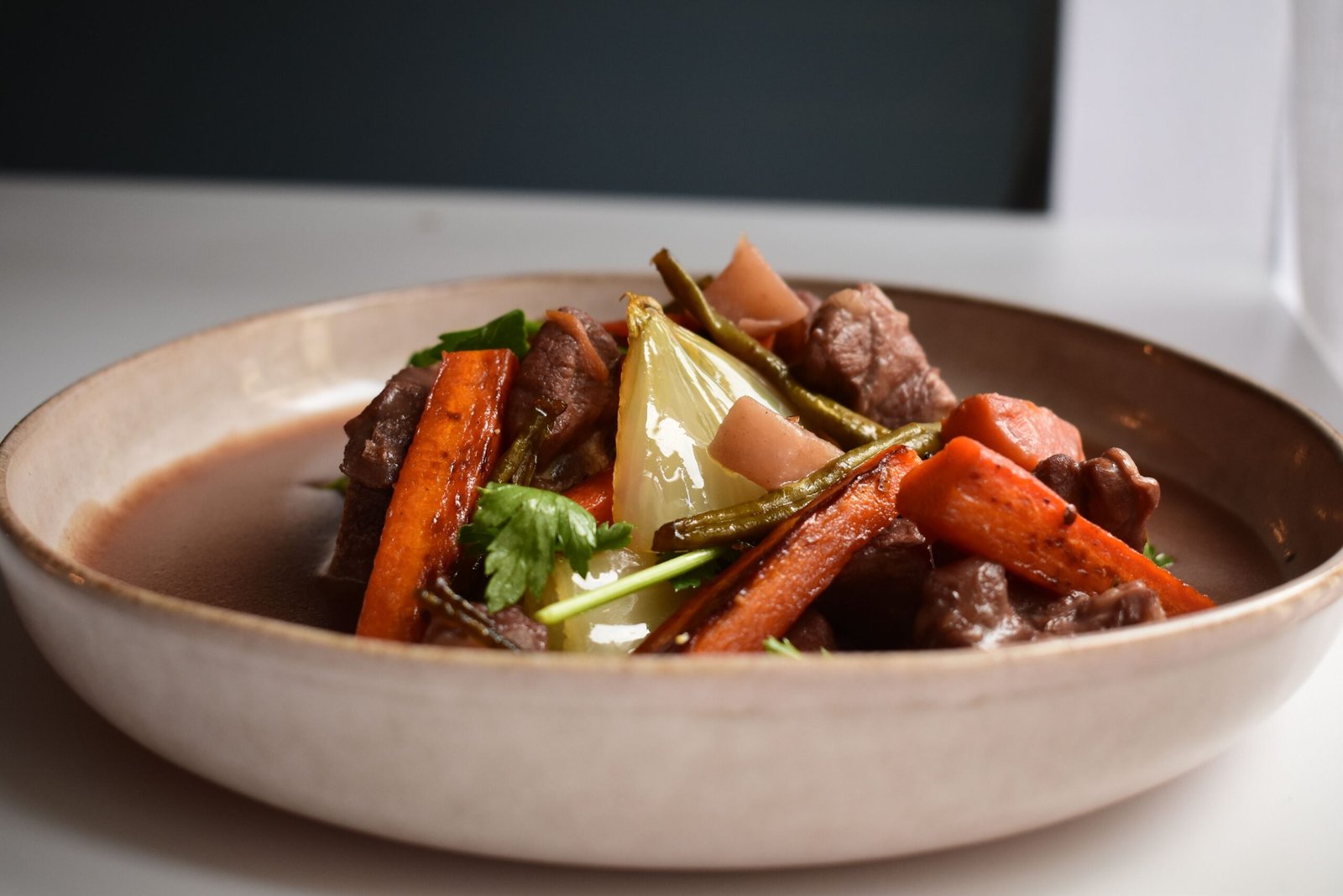
- Prioritise cheaper cuts. Mince, shin, brisket, skirt, stewing steak and whole chickens give you the grass-fed benefit at a fraction of steak prices, and slow cooking suits them perfectly.
- Buy boxes, not single steaks. Meat boxes from farm suppliers usually work out cheaper per kilo than individual cuts, and they force variety — which is good for both budget and nutrition.
- Buy in bulk and freeze. A bulk order portioned into freezer bags covers weeks of meals and avoids premium single-item delivery charges.
- Use offal and bones. Liver, kidney, heart and bones for broth are cheap, nutrient-dense and traditional, and they stretch a meat budget further than muscle meat alone.
- Mix your proteins. Not every meal needs to be grass-fed beef. Eggs, tinned sardines, chicken thighs and oily fish are cheaper proteins, and varying them is better for health and budget than eating beef daily.
- Cook nose-to-tail at home. A whole roast chicken covers three meals — roast dinner, cold lunch, and soup from the carcass — and a slow-cooked brisket covers several more.
FAQ
Is all UK beef grass-fed?
No, not in the sense that matters. Most UK cattle spend time at pasture, but many are finished on grain or supplementary feed, and the term "grass-fed" alone does not guarantee whole-life grass feeding or grass finishing. Look for Pasture for Life certification or ask the supplier directly.
Is grass-fed beef healthier than grain-fed beef?
Grass-fed beef has a somewhat different fat profile — higher proportions of omega-3 fatty acids and CLA, and usually leaner overall — but the absolute omega-3 amounts are small compared with oily fish, and no trial has shown that switching to grass-fed beef alone improves clinical health outcomes. It is a reasonable preference, not a proven health intervention.
Does organic mean grass-fed?
Not necessarily. Organic certification includes pasture access and high welfare standards, but organic cattle can receive supplementary feed. Organic is a good standard in its own right; it is not a guarantee of 100% grass feeding. Pasture for Life is the specific grass-fed certification.