
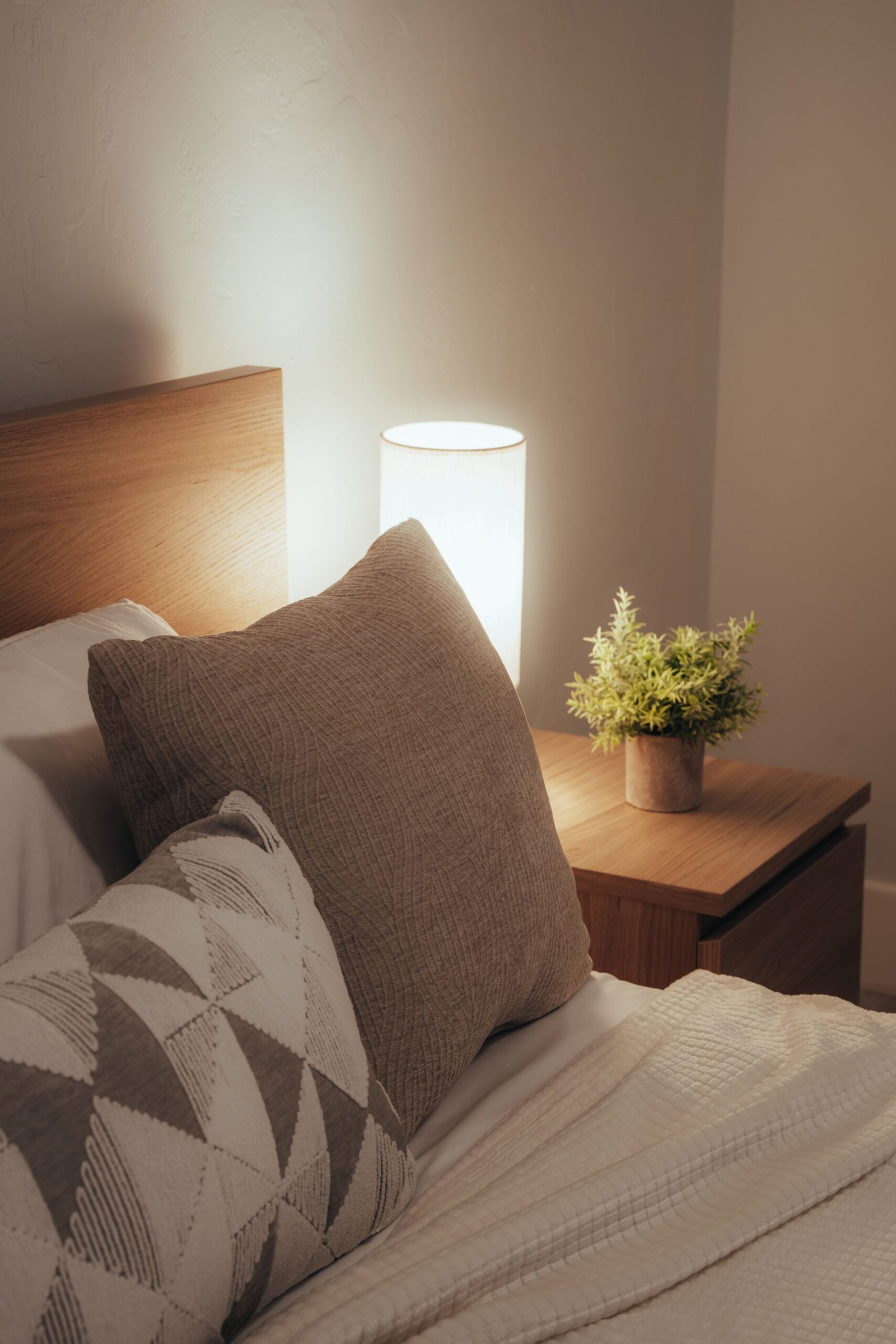
Sleep is the primal habit with the fastest payoff and the lowest barrier. You do not need equipment, a gym or a new kitchen to sleep better — you need a regular schedule, a dark and cool bedroom, daylight in the morning, and a few evening habits that stop working against you. This guide turns those principles into a practical routine for UK life, including shift work, dark winters, noisy neighbours and the phone that lives by the bed.
This is general information, not medical advice. If you regularly struggle to fall asleep or stay asleep, snore loudly with pauses in breathing, feel excessively sleepy during the day, or have a condition that affects sleep, speak to your GP. Persistent sleep problems deserve assessment, not just habit tweaks.
Source context: sleep as a primal pillar
In the primal framework, sleep is not a luxury or a recovery afterthought; it is one of the core pillars, alongside food and movement. The reasoning is simple and pre-industrial: human sleep evolved to follow daylight and darkness, with activity during the day and rest at night, and modern life — artificial light late at night, irregular schedules, screens in bed, caffeine through the afternoon — disrupts that rhythm daily. The habits below are therefore not a list of tricks but a return to regularity: light in the morning, darkness at night, consistent times, and a body that knows when sleep is coming.
The central entity here is the 24-hour rhythm, sometimes called the circadian rhythm. Every habit in this guide either strengthens that rhythm or weakens it, and the most effective changes are the ones that make the rhythm more predictable: same wake time, morning light, evening wind-down, dark bedroom.
How much sleep do you actually need?
The NHS advises that adults typically need between seven and nine hours of sleep a night. That is a population range, not a personal prescription: some adults feel well on seven hours, others need nine, and the right amount for you is the amount that leaves you alert and functioning well during the day without relying heavily on caffeine. Teenagers need more, typically eight to ten hours, and older adults often sleep a little less and wake more during the night, which is normal rather than necessarily a problem.
The more useful question than "how many hours?" is "how do I feel?" If you regularly need an alarm and still feel groggy for hours, fall asleep unintentionally during the day, crave sugary food when tired, or find your mood and concentration suffer, you are probably not getting enough sleep or good enough sleep, whatever the clock says. Sleep quality — how unbroken and deep it is — matters as much as duration, and several habits below target quality directly.
Sleep debt is real but limited in how it can be repaid. A long lie-in at the weekend after a week of short nights helps a little, but it also shifts your body clock and makes the next week harder. The sustainable fix is a regular schedule that gives you enough sleep most nights, not heroic weekend catch-ups followed by another short week.
The fixed wake time: the single most powerful habit
If you change one thing, change this: wake at the same time every day, including weekends, within about half an hour. A fixed wake time anchors the whole rhythm — it sets when you feel sleepy that evening, when morning light exposure happens, and when your body expects to be alert. A fixed bedtime helps too, but the wake time is the anchor, because bedtimes drift more easily than wake times can be held.
Choose a wake time you can keep on work days and weekends alike, and work backwards: if you need eight hours and wake at 7am, your bedtime is around 11pm, allowing time to fall asleep. Set an alarm for bedtime as well as for waking, at least while the habit is new — most people protect their morning alarm fiercely and their bedtime not at all, which is exactly backwards for sleep.
Shift workers face a harder version of this problem, and the honest advice is to keep the pattern as regular as your shifts allow: a consistent sleep schedule within each shift block, a dark bedroom for daytime sleep, and light exposure timed to your shift rather than to the clock. If shift work is seriously disrupting your sleep or health, discuss it with your GP or occupational health service — habit tweaks help, but they cannot fully overcome a rotating schedule.
Morning daylight: setting the clock
Morning light is the signal that tells your body clock the day has started, and it is the habit that most directly improves the following night's sleep. Get outside in daylight within an hour of waking, for at least 20 to 30 minutes where possible — a walk, a cycle, breakfast by a bright window, or simply standing outside with a coffee. Overcast daylight still counts: even on a cloudy UK morning, outdoor light is far brighter than indoor lighting.

In winter, when mornings are dark, the same principle applies with whatever light is available: get outside at first light, take a lunchtime walk when daylight is brightest, and work near a window. Light therapy lamps and dawn simulators help some people, particularly those with winter low mood or delayed sleep patterns, but they are not a substitute for daylight and their effects vary. If winter low mood is significant, speak to your GP.
The reverse of morning light is evening darkness. As bedtime approaches, dim the lights in your home, switch off overhead lights in favour of lamps, and reduce screen brightness. Your body reads dim light as a signal to prepare for sleep, and bright light late at night delays that preparation. This is why the wind-down hour below matters: it is not just relaxation, it is a light signal.
The bedroom: dark, cool, quiet, boring
The ideal bedroom for sleep is dark, cool, quiet and used mainly for sleep. Blackout curtains or a comfortable eye mask deal with streetlights and summer early mornings, which are a genuine UK problem in June, when sunrise can be before 5am. Earplugs or a white-noise app help with traffic, neighbours and early-morning birdsong. A cool room, usually around 16 to 19 degrees for most people, suits sleep better than a warm one — a light duvet and the ability to cool your hands and feet help, since body temperature falls as part of falling asleep.
The bed itself should be comfortable and supportive, with pillows that keep your neck neutral rather than propped high. Mattresses and pillows are personal and worth investing in when they wear out, but no pillow or mattress compensates for an irregular schedule or a lit, noisy room. Keep the bedroom tidy and uncluttered where you can, and keep work, television and scrolling out of it: the goal is for your brain to associate the bed with sleep, not with work emails or videos.
Children, pets and partners all affect the bedroom, and the practical answers are compromises: a pet bed on the floor rather than on the bed if the pet disturbs you, earplugs if a partner snores, and a consistent children's bedtime routine that protects your own wind-down time. A perfect bedroom is not required — a darker, cooler, quieter one than you have now is progress.
The wind-down hour
The hour before bed should be a wind-down, not a second shift. Stop work, intense exercise and difficult conversations, and replace them with low-stimulation activities: reading a book, stretching gently, having a warm bath or shower, listening to calm music or a podcast, or preparing for tomorrow. A warm bath is particularly useful because the subsequent drop in body temperature mimics the natural cooling that precedes sleep.

Screens are the main obstacle to a wind-down. Phones, tablets and laptops provide bright light, endless novelty and often stressful content, all of which keep the brain alert. The practical rules are: charge your phone outside the bedroom overnight, use a basic alarm clock instead of a phone alarm, stop scrolling at least 30 to 60 minutes before bed, and if you must use a screen in the evening, use night mode and keep it brief and boring. Television is less stimulating than a phone for most people, but watching in bed still associates the bed with wakefulness, so watch elsewhere and go to bed when the programme ends.
Caffeine and alcohol need their own rules. Caffeine has a long half-life — roughly five to six hours for most people, longer for some — so a coffee at 4pm is still active at bedtime. A cutoff in the early afternoon, often around midday to 2pm, suits sensitive sleepers, and decaf or herbal drinks replace the ritual without the stimulant. Alcohol may make you drowsy, but it fragments sleep in the second half of the night, increases snoring and waking, and is one of the most common reversible causes of poor sleep quality. Avoiding alcohol in the hours before bed, or cutting back overall if sleep is poor, is one of the highest-yield changes available.
Late meals also matter. A large, heavy, spicy or fatty meal close to bedtime can cause discomfort and reflux that disturbs sleep, so finish eating two to three hours before bed where possible, and keep a late snack small and simple — yoghurt, a banana, a handful of nuts — rather than a full meal. Conversely, going to bed hungry can also disturb sleep, so a small snack is better than none if you are genuinely hungry.
Naps, weekends and getting back on track
Naps are useful when used correctly and harmful when used carelessly. A short nap of 10 to 20 minutes in the early afternoon can restore alertness without affecting night sleep. A nap longer than 30 minutes, or later than mid-afternoon, often causes grogginess and steals sleep pressure from the night. If you struggle to fall asleep at night, skip naps entirely until night sleep improves.
Weekends are where most sleep schedules break. The rule is to keep the wake time within about an hour of the weekday time, and to get morning light and activity on weekend days too. A long lie-in feels restorative but shifts the clock later, making Sunday night difficult and Monday morning miserable — the pattern many people call the Sunday-night problem is often just a shifted clock. A weekend walk, outdoor activity and a normal bedtime protect Monday far better than an extra two hours in bed.
If you have a bad night, the recovery rules are: get up at your usual time anyway, get morning light, avoid a long daytime nap, and go to bed at your usual time that night. One bad night does not require a day of compensation, and compensating usually makes the second night worse. If bad nights become the pattern for weeks, that is the point to seek help rather than to keep adjusting habits alone.
A sample evening routine
A realistic evening routine looks like this. Two to three hours before bed: finish dinner, dim the house lights, stop caffeine and alcohol. One hour before bed: screens off and phone charging outside the bedroom, a warm bath or shower, gentle stretching or reading. Thirty minutes before bed: bedroom prepared — cool, dark, quiet — pyjamas on, a few minutes of reading in bed if that helps you drift off, then lights out at the same time each night. Morning: alarm at the same time, curtains open or a walk outside within an hour, breakfast and daylight before screens where possible. That routine is a template; adapt the timings to your life, but keep the shape — light in the morning, dim in the evening, regular times, screens out of bed.
When to seek help
Habit changes help most sleep problems, but not all. Seek medical advice if you snore loudly with pauses in breathing or gasping, if you feel excessively sleepy during the day despite adequate time in bed, if you regularly cannot fall asleep or stay asleep for weeks, if you have restless legs that disturb sleep, or if low mood, anxiety or nightmares are involved. Sleep apnoea, insomnia, restless legs syndrome and mood disorders are all treatable, and a GP can refer for assessment or treatment where needed. Using sleep medication, melatonin or herbal remedies without advice is not recommended as a first step, and any supplement should be discussed with a pharmacist or GP, particularly if you take other medication.
FAQ
How can I fall asleep faster?
Keep a fixed wake time, get morning daylight, wind down for an hour before bed, keep the bedroom dark and cool, and keep screens and caffeine out of the evening. If you cannot fall asleep after 20 to 30 minutes, get up, do something calm in dim light, and return to bed when sleepy, rather than lying awake worrying.
Is it bad to use my phone in bed?
Yes, for sleep. The phone provides light and stimulation that delay sleep onset, and it trains the brain to associate bed with wakefulness. Charging it outside the bedroom and using a separate alarm clock is the simplest fix.
Should I take melatonin or sleep supplements?
Melatonin and herbal sleep aids are not a first-line solution for most people, and their quality, dose and interactions vary. Improve the habits in this guide first, and discuss any supplement with a pharmacist or GP, especially if you take other medication or have a health condition.
What if I wake up in the middle of the night?
Brief waking is normal. Stay in bed in the dark, avoid checking the time repeatedly or reaching for your phone, and breathe slowly. If you are awake for more than 20 to 30 minutes, get up and do something calm in dim light until sleepy, then return to bed. Regular, prolonged night waking deserves a conversation with your GP.
Related reading
- Primal Diet Plan for Beginners UK: Complete Guide
- Primal Lifestyle Guide: Movement, Sleep, Sunlight
- Primal Movement Exercises for Beginners
- Paleo Diet Side Effects First Week: What to Expect
- Primal Diet on a Budget UK: Costs in £