

A paleo shopping list is only useful if it works in the shop you actually use, so this list is written for the three big UK supermarkets most readers shop at: Tesco, Asda and Sainsbury's. It follows the same whole-food framework as the rest of this site — meat, fish, eggs, vegetables, fruit, nuts, seeds and natural fats, with grains, legumes, refined sugar and highly processed food out — and it is organised by aisle, so you can work through it in order rather than wandering. Prices and own-brand ranges change, so this list names types of product and what to check on the label rather than promising a specific price.
This is general information, not medical advice. If you have a health condition, food allergies, or take medication, speak to your GP or a registered dietitian before changing your diet.
Source context: shopping paleo in a supermarket built for grains
The central entity here is the weekly supermarket shop, and the problem is structural: a modern supermarket is organised around bread, pasta, rice, breakfast cereals and ready meals, which are exactly the foods paleo excludes. The paleo shopper therefore shops the perimeter first — fresh meat and fish, vegetables, fruit, eggs and dairy — and uses the middle aisles selectively, for tinned fish, tinned tomatoes, oils, nuts, seeds, spices and frozen produce. That single habit, perimeter first and middle aisles on purpose, is what turns a long list into a quick shop.
The second habit is label reading. Paleo is not a certified label in UK supermarkets, so nothing on the shelf will reliably say "paleo" for you. The checks that matter are ingredient lists: does this sausage list only meat, salt and spices, or a paragraph of fillers? Does this sauce contain sugar, flour or modified starch? Does this yoghurt contain only milk and cultures, or added sugar and flavourings? A short, recognisable ingredient list is the paleo test, whatever the packaging claims.
Before you go: the list at a glance
For a one-adult week, the core list looks like this: eggs (a dozen or more), two or three fresh proteins (chicken thighs, mince, pork shoulder or stewing beef), tinned fish (sardines, tuna, mackerel), frozen fish fillets, a large quantity of vegetables (seasonal fresh plus frozen), fruit (bananas, apples, frozen berries), nuts and seeds, olive oil and butter or ghee, tinned tomatoes, herbs and spices, and plain full-fat yoghurt only if you follow the primal rather than strict paleo version — strict paleo excludes all dairy, and this list flags dairy items as primal-only throughout. Pantry staples such as olive oil, salt, pepper, vinegar and spices are bought occasionally rather than weekly, so the weekly list is shorter than it first looks.
Meat and fish counter: what to buy
Start at the meat counter or the fresh meat aisle. The best-value paleo choices across all three supermarkets are chicken thighs and legs, whole chickens, beef and turkey mince, pork shoulder and stewing steak. Chicken breasts are available everywhere but cost roughly twice as much per kilo as thighs, so they are a convenience choice rather than a value one. Look for own-brand and butcher's selection ranges, which are usually cheaper than branded premium ranges for the same cut, and check the price per kilo on the shelf edge — it is the only honest comparison between pack sizes.
At the fish counter, fresh salmon and sea bass are the premium options, while tinned and frozen fish do the everyday work. All three supermarkets stock tinned sardines, mackerel and tuna in their own-brand ranges, usually for around £0.80 to £1.50 a tin, and frozen white fish fillets and frozen salmon portions in the freezer aisle. If you buy fresh fish, buy it for the next day or two and freeze the rest; fresh fish bought for "later in the week" is how food gets wasted.
Across Tesco, Asda and Sainsbury's, the fresh meat and fish offer is broadly similar, with differences mainly in own-brand tiers and offers. Tesco's Aldi Price Match range and Asda's Just Essentials range both include useful paleo basics — eggs, mince, chicken thighs and tinned fish — at discounter-comparable prices, while Sainsbury's Stamford Street range plays a similar role. The practical advice is to buy the same core foods wherever you shop and let offers decide the store, rather than treating any one supermarket as the "paleo" supermarket.
Fruit and vegetables: fresh, frozen and prepared
Vegetables are the largest part of the paleo plate and the aisle where the most money is wasted. Buy seasonal fresh vegetables first: cabbage, leeks, swede, parsnips, carrots and kale in winter; asparagus and new potatoes in spring; courgettes, runner beans, tomatoes and peppers in summer; squash, beetroot and mushrooms in autumn. All three supermarkets discount seasonal produce heavily when it is in glut, and the "wonky" or imperfect ranges are the same vegetables at a lower price.
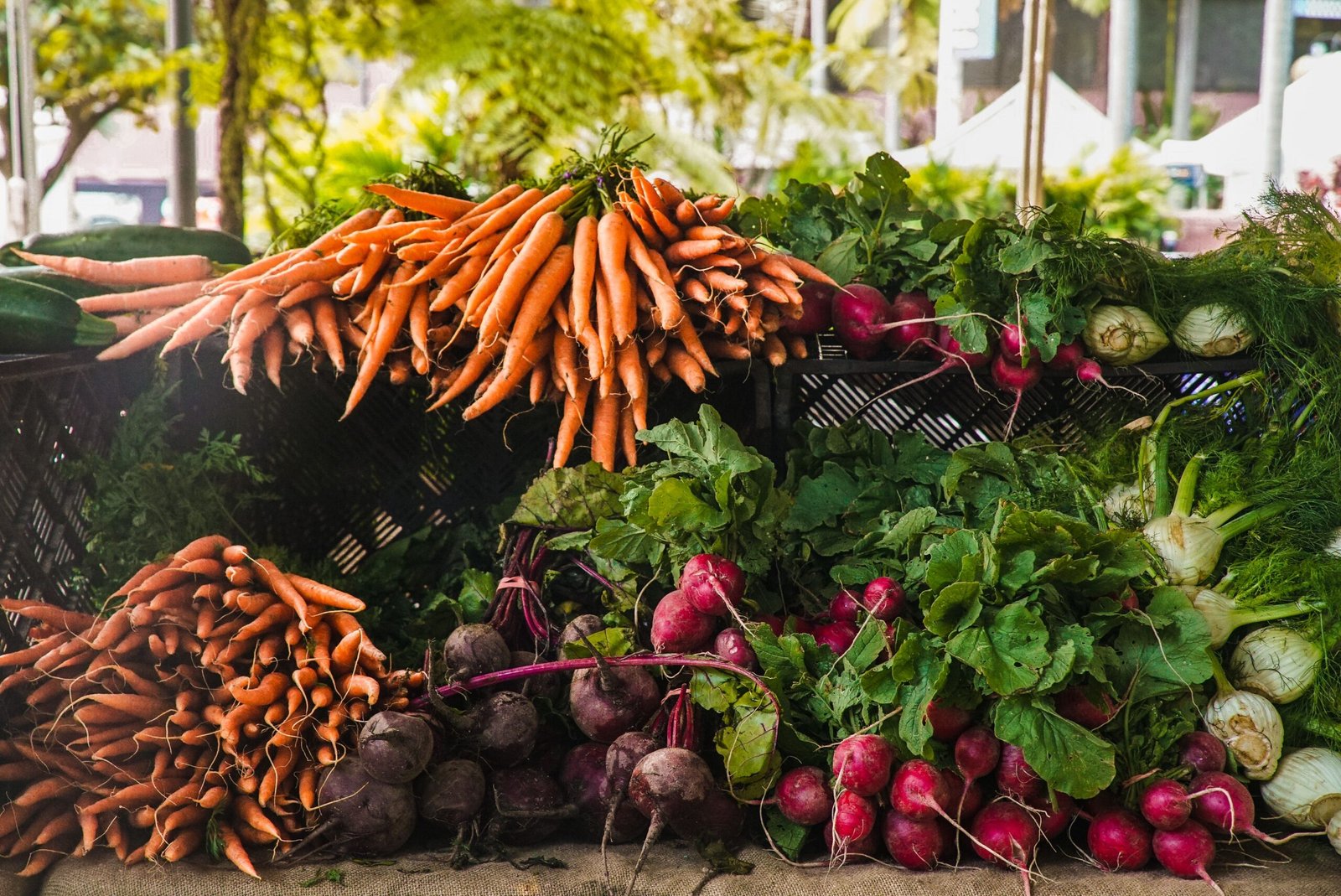
Frozen vegetables are a paleo staple, not a compromise. Frozen broccoli, green beans, spinach, mixed vegetables and berries are stocked in every freezer aisle, usually for £1 to £2 a bag, with no waste and no rush to use them. Frozen berries are particularly good value compared with fresh berries, which are among the most expensive fruits per kilo. Keep a few bags in the freezer at all times and the vegetable portion of any meal is covered even on a day you have not shopped.
Pre-prepared vegetables — stir-fry mixes, salad bags, spiralised courgette, pre-cut butternut squash — are convenient but cost two to three times the whole vegetable. They are worth it on genuinely busy days, but as a daily habit they add several pounds a week. Salad bags deserve a specific note: check that they contain only leaves and vegetables, not croutons, cheese or dressing sachets with added sugar.
Fruit follows the same logic: bananas, apples and seasonal fruit as everyday choices, frozen berries for yoghurt and smoothies, and dried fruit kept occasional. Fruit juice and smoothie bottles are not paleo staples — juicing removes fibre and concentrates sugar — so they stay off the list however attractive the packaging.
Eggs, dairy and fats
Eggs are in every supermarket's dairy and chilled aisle, and free-range eggs are the default choice for this list. All three supermarkets stock own-brand free-range eggs in boxes of six, twelve and fifteen, and the larger boxes are usually cheaper per egg. Buy the size you will use within a week or two, and keep a spare box: eggs are the fallback meal when nothing else is planned.
Dairy is where paleo and primal diverge, so this section is split. Strict paleo excludes all dairy, including butter, cheese and yoghurt. Primal allows full-fat dairy if you tolerate it, in which case the list adds plain full-fat yoghurt in a large tub, a block of mature Cheddar, butter and cream. In all three supermarkets, the cheapest way to buy these is own-brand: large tubs of plain yoghurt rather than individual pots, block cheese rather than pre-grated, and butter in the standard 250g block. Flavoured yoghurts, dessert pots and low-fat cheese spreads are not on either list — they are usually sweetened, processed, or both.
Fats and oils live in the cooking aisle. Olive oil is the everyday oil; buy the larger bottle rather than the small one, since the price per litre falls sharply. Coconut oil is stocked by all three supermarkets, usually in jars in the cooking or world foods aisle, and is useful for roasting and curries. Butter and ghee cover frying; ghee is often in the world foods aisle rather than with butter, and it is worth checking both. Avoid margarine and refined sunflower, soybean and corn oils, which are outside the framework and no cheaper than olive oil in practice.
Tins, jars and packets: the middle aisles done right
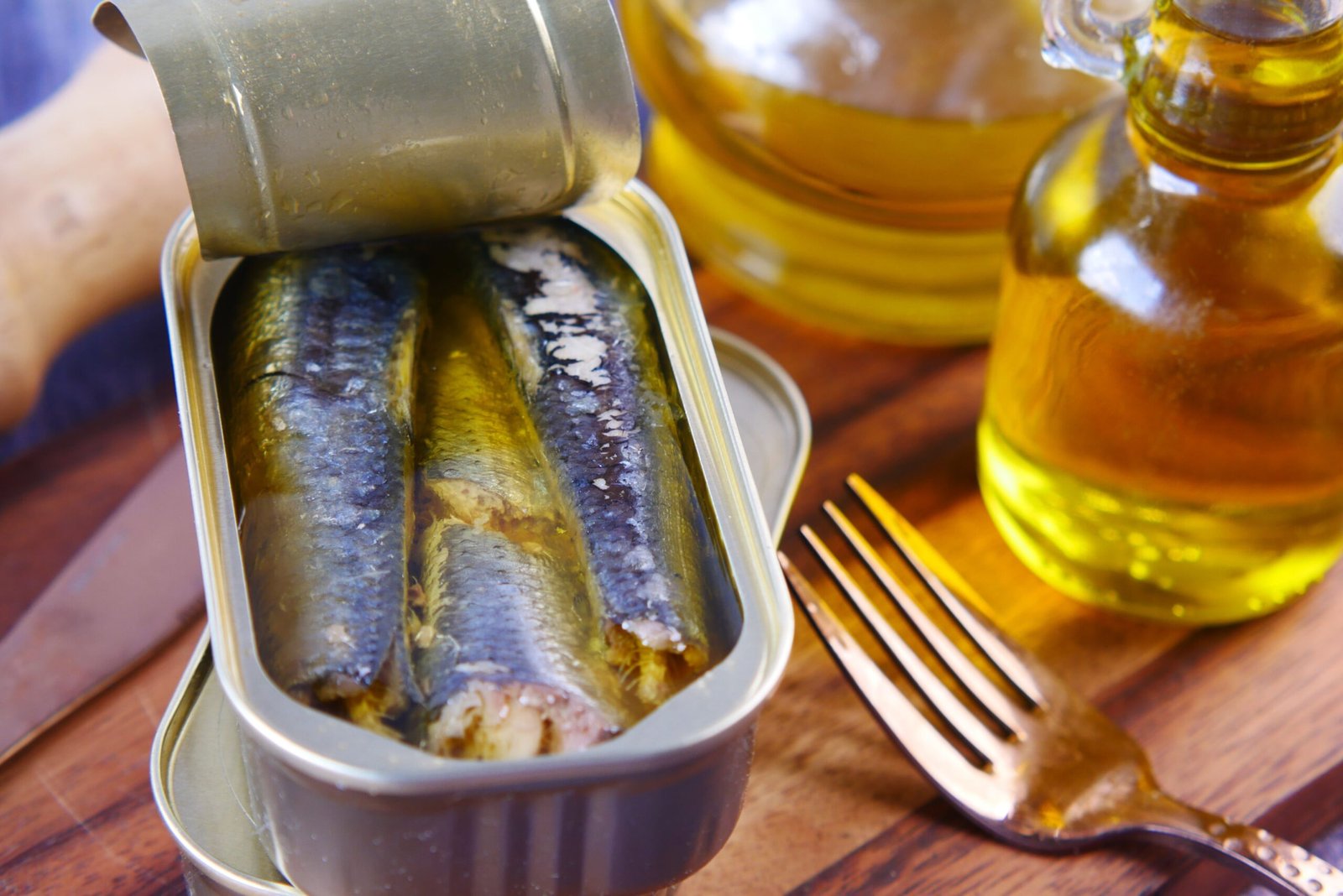
The middle aisles contain both the best paleo bargains and the most traps, so this section is worth reading carefully. Tinned tomatoes, tinned sardines, tuna and mackerel, tinned coconut milk and tomato purée are all staples — check that tinned coconut milk lists only coconut and water, and that tinned fish is in water, olive oil or its own juices rather than in a sweetened sauce. Tinned vegetables such as sweetcorn and peas are acceptable as vegetable sides, but tinned beans, lentils and chickpeas are legumes and are out under paleo, however healthy they are in other diets.
Stock cubes and cooking sauces need label checks. Many stock cubes contain sugar, yeast extract and flavourings alongside salt; the shorter the ingredient list, the better, and homemade stock from a roast chicken carcass is free and superior when you have it. Jarred pasta sauces, curry sauces and stir-fry sauces almost always contain added sugar, flour or modified starch, so they are generally off the list — the paleo replacement is tinned tomatoes, coconut milk, spices, garlic, ginger and chilli, which make the same sauces from scratch in a few minutes.
Nuts, seeds and dried fruit are usually in the baking or snacking aisle. Buy unsalted, unroasted nuts and seeds in the largest bag you will use: almonds, walnuts, hazelnuts, cashews, pumpkin seeds, sunflower seeds, chia seeds and flaxseed. Check nut butters carefully — the ingredient list should be nuts and perhaps salt, nothing else. Sweetened, hydrogenated or "chocolate" nut spreads are desserts, not paleo food. Dried fruit, if bought at all, should be unsweetened and kept to small amounts.
Herbs, spices and flavour
Herbs and spices are the cheapest way to keep a paleo diet interesting, and all three supermarkets stock extensive own-brand ranges. The core cupboard is cumin, paprika, smoked paprika, chilli flakes or powder, turmeric, oregano, mixed herbs, garlic powder, black pepper and sea salt. Fresh herbs — coriander, parsley, basil, mint — are sold in pots and packets; growing a pot of parsley or mint on a windowsill is cheaper still and lasts for months.
Vinegar, mustard, lemon and lime juice, garlic, ginger and fresh chillies are everyday flavourings that cost little and transform simple ingredients. Check spice mixes and seasoning blends for added sugar, flour, anti-caking agents and flavour enhancers; single spices and simple blends are the safe default. Soy sauce is out under paleo, since it is made from soya, though some primal eaters use tamari or coconut aminos as substitutes — check the label, since tamari is still a soya product and coconut aminos vary in sugar content.
Frozen aisle and bakery: what to skip
The frozen aisle, beyond vegetables, fish and berries, is mostly off-list: frozen ready meals, breaded fish and chicken, pizzas, chips and pastries are all outside the framework. Plain frozen fish fillets without batter or breadcrumbs, frozen vegetables and frozen berries are the exceptions, and they are among the most useful items in the shop.
The bakery aisle is almost entirely off-list under paleo: bread, rolls, pastries, cakes and breakfast cereals are grain-based and excluded, including wholemeal and seeded versions. This is the aisle where new paleo shoppers most often feel the restriction, and the practical replacement is not a "paleo bread" substitute bought at a premium, but meals built on vegetables, eggs, meat and fish that do not need bread at all. If bread is a genuine sticking point, the primal approach of focusing on the overall pattern rather than perfection is more sustainable than buying expensive grain-free substitutes every week.
Store-by-store notes: Tesco, Asda and Sainsbury's
Tesco's strengths for paleo shopping are its Aldi Price Match range on staples, its large free-from and world foods aisles (useful for coconut milk, ghee and spices), and its Clubcard offers on meat and fish, which reward buying the week's proteins in one shop. Check the reduced section in the evening for meat and fish to freeze the same day.
Asda's strengths are its Just Essentials range, which includes eggs, mince, chicken and tinned fish at low prices, and its generally competitive fresh meat pricing. Asda's Rewards app offers cashback-style savings that add up on a regular shop, but only on items already on your list.
Sainsbury's strengths are its Stamford Street value range, its Nectar offers on fresh produce and meat, and a strong seasonal vegetable offer. Sainsbury's also stocks a wide range of tinned fish and world foods, and its Taste the Difference range is useful for weekend or treat items rather than everyday staples.
None of the three is systematically cheaper for everything, and prices move weekly with offers. The most reliable saving is not loyalty to one store but a consistent list, bought wherever it is cheapest that week, with a discounter such as Aldi or Lidl used for staples when convenient. Delivery shoppers should note that online substitutions can replace a paleo staple with a non-paleo alternative — check substitutions on delivery and reject anything with grains, added sugar or long ingredient lists you would not have chosen.
A one-week list you can copy
For one adult, a typical weekly list reads: eggs (12), chicken thighs (about 1kg), beef or turkey mince (500g to 750g), pork shoulder or stewing beef (about 500g), tinned sardines (2 to 4 tins), tinned tuna (2 tins), frozen white fish fillets (4), seasonal vegetables (cabbage, carrots, onions, leeks or courgettes depending on season), frozen vegetables (2 bags), salad leaves, tomatoes, mushrooms, bananas, apples, frozen berries (1 bag), nuts and seeds (topped up as needed), olive oil (topped up as needed), butter (primal only), plain yoghurt (primal only, large tub), tinned tomatoes (2 to 4 tins), garlic, ginger and lemons. That list, at typical 2026 prices, comes to roughly £40 to £65 for one adult at a mainstream supermarket, or less at a discounter, once pantry staples are already in the cupboard.

FAQ
Can I do paleo shopping at Tesco, Asda or Sainsbury's?
Yes. All three stock everything on this list in own-brand ranges. The differences are in value ranges and offers, not in whether the foods are available. Shop the perimeter first, read labels in the middle aisles, and use the price per kilo to compare packs.
What should I avoid in the supermarket on paleo?
Bread, pasta, rice, breakfast cereals, beans and lentils, ready meals, breaded or battered products, jarred sauces with added sugar or flour, flavoured yoghurts, margarine, refined seed oils and sweetened drinks. The test is the ingredient list: short and recognisable is in, long and processed is out.
Is own-brand food good enough for paleo?
Usually yes. Own-brand eggs, mince, chicken, tinned fish, frozen vegetables, tinned tomatoes and olive oil are the same foods as branded versions at a lower price. The exception is processed meat, where the ingredient list matters more than the brand — a butcher's plain sausage with a short ingredient list beats a branded sausage with fillers, whatever the label.
Do I need to shop at a health food store?
No. Health food stores are useful for specific items such as ghee, coconut aminos or unusual seeds, but the core paleo shop is available in any large supermarket. Spending more at a specialist store on everyday items is rarely necessary.