
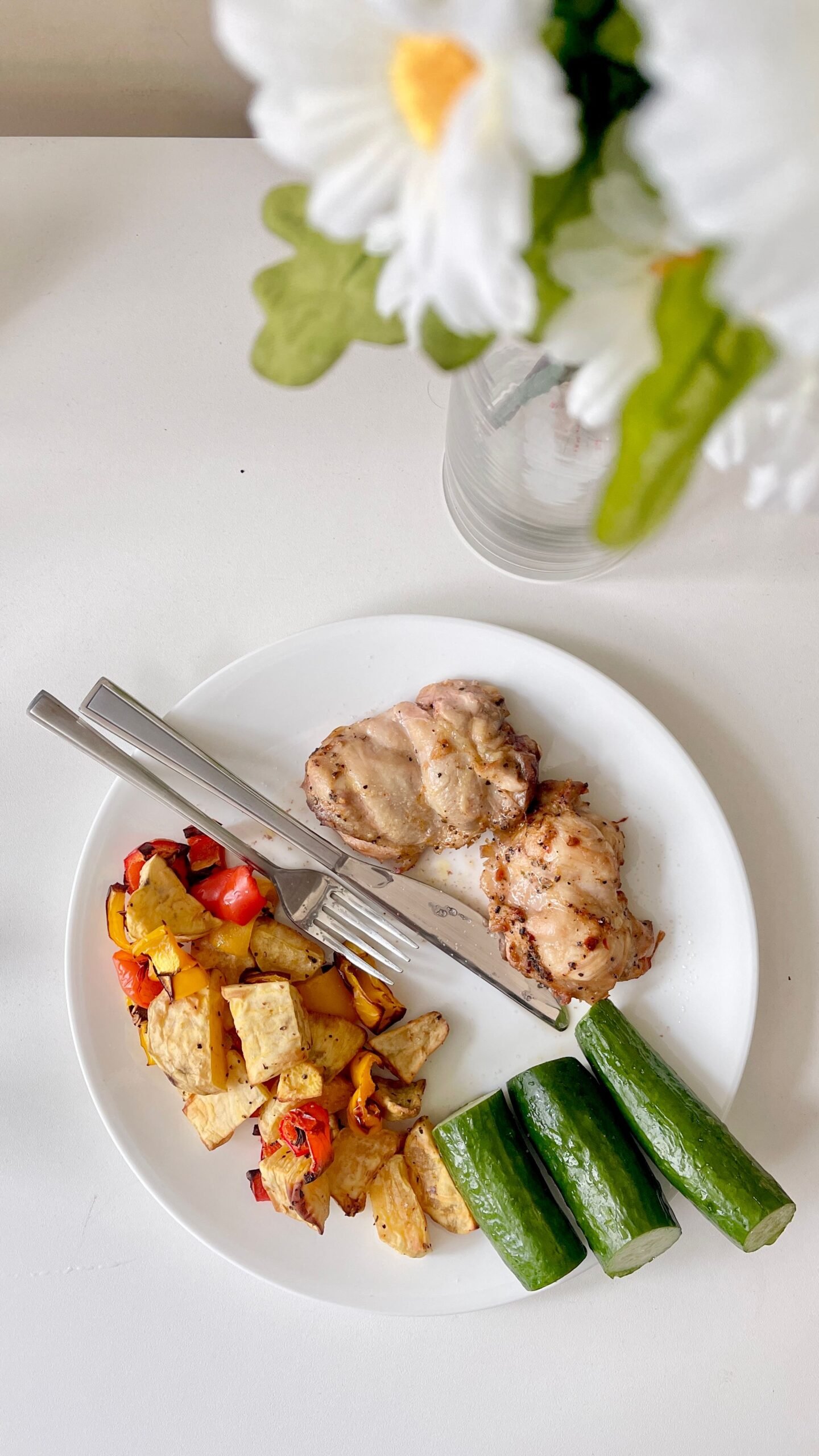
Is the primal diet healthy? It is the question every sensible reader should ask before changing how they eat — and it deserves a more honest answer than most diet websites give. Primal eating has enthusiastic supporters, a clear philosophy, and some promising short-term research. It does not, however, have the kind of large, long-term trial evidence that would let anyone declare it proven, and the research that does exist is mostly on paleo-style eating rather than on primal eating exactly as Mark Sisson defines it.
This review separates what is known, what is plausible but unproven, and what should make you cautious. It is general information, not medical advice. If you have a health condition, take medication, are pregnant or breastfeeding, or are considering a major diet change, speak to your GP or a registered dietitian first.
What "primal" actually means in the research
Here is the first problem with the evidence, and it is worth stating plainly: there are almost no trials of the primal diet as a complete package. Researchers study "Palaeolithic-type" or "paleo" diets, which share primal's core — meat, fish, eggs, vegetables, fruit, nuts, seeds and natural fats, with no grains, legumes, refined sugar or highly processed food — but differ in the details. Strict paleo excludes all dairy; primal allows full-fat dairy if you tolerate it. Primal also adds a lifestyle framework of walking, lifting, sprinting occasionally, sleep, sunlight and play, which trials of diet alone do not test.

That means the evidence below is evidence about the shared ancestral-eating core, not a verdict on every element of the Primal Blueprint. Where a finding comes from a paleo trial, this article says so. Extrapolating from paleo to primal is reasonable for the food overlap, but it is still extrapolation, and a careful reader should know that.
What the trials actually show
Short-term metabolic improvements
The most consistent finding across small trials is that Palaeolithic-type eating improves markers of metabolic health in the short term, at least as much as the comparison diets used.

A systematic review and meta-analysis of four randomised controlled trials, involving 159 participants in total, found that Palaeolithic nutrition produced greater short-term improvements than guideline-based control diets in waist circumference, triglycerides, blood pressure, HDL cholesterol and fasting blood sugar. The authors rated the quality of evidence for each metabolic component as moderate, and they were clear that the data warrant further evaluation rather than settling the question.
A two-week randomised pilot study in 34 people with metabolic syndrome found that a Palaeolithic-type diet, compared with a healthy reference diet, lowered systolic and diastolic blood pressure, total cholesterol and triglycerides, raised HDL cholesterol, and reduced the number of metabolic syndrome characteristics. Body weight also fell slightly in the Palaeolithic group despite efforts to keep it stable, and the favourable effects remained after adjusting for that unintended weight loss. Two weeks, however, is a very short window, and 34 people is a small group.
Weight and body fat
Several trials report greater short-term weight or fat loss on Palaeolithic-type diets than on comparison diets, but the advantage tends to narrow over time.
The best-known longer trial followed 70 obese postmenopausal women for two years, comparing a Palaeolithic-type diet with a diet based on the Nordic Nutrition Recommendations. The Palaeolithic group lost significantly more fat mass at six months, but by 24 months the difference between the groups was no longer statistically significant for fat mass, although triglyceride levels remained significantly lower in the Palaeolithic group. Adherence to the higher protein intake in the Palaeolithic group was also poor over the longer term — a useful reminder that a diet only works if people can actually stick to it.
This pattern — an early advantage that fades — is common across weight-loss research and is not unique to primal or paleo. It suggests that the early results may owe as much to eating fewer processed foods and feeling fuller as to anything specifically "ancestral".
Blood sugar and type 2 diabetes
A 12-week randomised trial in 32 people with type 2 diabetes found that a Palaeolithic diet improved fat mass, insulin sensitivity and glycaemic control, with HbA1c falling in both the diet-only group and the group that also did supervised exercise. Supervised exercise did not add much to those particular outcomes, though it helped preserve lean mass in men and improved cardiovascular fitness.
These are encouraging results, but 32 people over 12 weeks cannot establish that a diet is safe or effective as a long-term diabetes strategy. Anyone with diabetes who changes their diet, especially if they take medication that affects blood sugar, needs clinical supervision, because improved blood sugar control can change medication requirements.
Where the evidence is thin or missing
No long-term safety data for primal as a package
There are no large, long-term trials following primal eaters for years to see effects on heart disease, cancer, bone health or mortality. This is the single biggest gap. Short-term improvements in blood pressure or triglycerides are not the same as proof of long-term benefit, and diets can improve one marker while worsening another.
The dairy question is unresolved by trials
Because most trials exclude dairy entirely, they cannot tell us whether primal's inclusion of full-fat dairy helps, harms or makes no difference. Dairy provides calcium and protein, but full-fat dairy also adds saturated fat. Primal's position — include dairy if you tolerate it — is a philosophy of self-experimentation, not a finding from a trial.
How primal compares with official UK guidance
It is worth being direct about where primal and official UK dietary guidance disagree, because readers should hear both sides.
The NHS Eatwell Guide, based on Scientific Advisory Committee on Nutrition (SACN) recommendations, advises eating more fruit, vegetables and wholegrain or higher-fibre foods, and less processed meat and food and drink high in sugar, saturated fat and salt. It recommends at least two portions of fish a week, one of them oily, and choosing lean cuts of meat and eating less red and processed meat.
Primal agrees with the Eatwell Guide on vegetables, oily fish, cutting added sugar and avoiding highly processed food. It disagrees on wholegrains and legumes, which the Eatwell Guide counts as valuable sources of fibre, and on saturated fat from butter, fatty meat and full-fat dairy, which primal embraces and official guidance treats more cautiously. Primal also disagrees, by omission, with the Eatwell Guide's emphasis on plant proteins such as beans and pulses, which primal excludes.
Neither side has a monopoly on the evidence. Wholegrains and legumes are well supported as sources of fibre, and higher fibre intake is associated with better health outcomes in large population studies. Equally, cutting ultra-processed food and added sugar is supported by both the primal framework and by SACN's position that most people would benefit from reducing processed foods high in energy, saturated fat, salt and free sugars and low in fibre. A reader weighing primal should know that adopting it means giving up two food groups that official guidance values, and should make that trade consciously.
Potential downsides and who should be cautious
Fibre and gut health
Removing grains and legumes removes two major fibre sources. Primal eaters can still get fibre from vegetables, fruit, nuts and seeds, but it takes deliberate effort — a plate of meat and cheese with few vegetables is not a high-fibre meal. Anyone prone to constipation, or with a digestive condition, should pay particular attention to vegetable intake.
Red and processed meat
Primal meals often centre on meat, and official UK guidance advises limiting red and processed meat. Choosing leaner cuts, varying protein sources with fish, eggs and poultry, and keeping processed meats such as bacon and sausages occasional rather than daily is a more cautious way to follow the pattern than eating large amounts of fatty and processed meat every day.
Calcium and bone health
If you also skip dairy — as some primal eaters do, or as strict paleo requires — calcium needs attention. Tinned sardines eaten with their soft bones, leafy greens, almonds and fortified alternatives can contribute, but anyone at risk of low bone density should discuss calcium intake with a clinician or dietitian rather than assuming it is covered.
Cost, restriction and disordered eating
Primal eating can cost more, especially with grass-fed meat and fresh produce, and any diet with a long "avoid" list can become stressful or socially isolating. People with a history of disordered eating should be particularly cautious about restrictive frameworks, even flexible ones, and should seek professional support rather than self-prescribing a diet.
Medication and medical conditions
Improved blood sugar or blood pressure can change medication needs. Kidney disease, heart disease, gout, pregnancy, breastfeeding and childhood nutrition all have specific considerations that general diet articles cannot cover. This is the clearest case for personal advice over internet guidance.
So, is the primal diet healthy?
On the current evidence, the fairest summary is this: a primal-style pattern of mostly whole foods, plenty of vegetables, oily fish, and little ultra-processed food or added sugar is consistent with several things we know support health, and small short-term trials of the closely related paleo pattern show improvements in metabolic markers. But the evidence base is small, short-term, and mostly about paleo rather than primal itself. There is no long-term trial proving primal eating prevents disease, and it conflicts with official guidance on wholegrains, legumes and saturated fat in ways a reader should weigh rather than ignore.

That does not make primal a bad choice. It makes it a choice to be made with eyes open: keep vegetables at the centre of the plate, vary your proteins, do not let meat and cheese crowd out everything else, walk and sleep well, and check in with a health professional if you have any condition that makes diet changes risky. The strongest version of primal is not the strictest version — it is the version you can sustain, built on whole food, that leaves you feeling well and that does not require you to ignore inconvenient evidence.
FAQ
Is there scientific proof that the primal diet works?
There is promising short-term evidence for Palaeolithic-type eating, including a meta-analysis of four small randomised trials and several individual trials showing improvements in metabolic markers. There is no large, long-term trial of primal eating as a complete package, so "proof" in the strong sense does not yet exist.
Is primal healthier than paleo?
There is no trial directly comparing the two as complete packages, so no evidence-based ranking is possible. The diets overlap heavily; the main differences are dairy, flexibility and the lifestyle framework, and the shared core of whole foods and little processed food is where most of the plausible benefit lies.
Is the primal diet safe long term?
Long-term safety as a complete package has not been established by trials. The individual components — whole foods, vegetables, oily fish, regular walking, good sleep — are well supported, but the long-term effects of excluding grains and legumes and eating more saturated fat remain uncertain. Regular health checks and a varied, vegetable-rich version of the diet are the cautious approach.
Should I follow the NHS Eatwell Guide instead?
The Eatwell Guide is the official UK model for a balanced diet and is based on SACN's independent review of the evidence. It is the safer default for most people, especially those who want a framework with broad population evidence behind it. Some people prefer primal's whole-food focus and flexibility; if you choose primal, understanding where it departs from official guidance — on grains, legumes and saturated fat — helps you make that choice deliberately.