

Starting paleo changes what you eat more abruptly than most diets do: grains, legumes, refined sugar, dairy (in strict paleo) and most processed food disappear at once, and meals are rebuilt around meat, fish, eggs, vegetables, fruit, nuts and seeds. It is not surprising that the first week often feels different — sometimes better, sometimes worse, and often both in the same week. This guide explains the common first-week effects, what usually causes them, what helps, and the warning signs that mean you should stop and seek advice rather than push through.
This is general information, not medical advice. If you have diabetes, kidney disease, heart disease, a digestive condition, an eating disorder history, or take medication — especially medication for blood sugar or blood pressure — speak to your GP or a registered dietitian before starting paleo, because diet changes can affect medication needs. Seek medical advice promptly for severe or persistent symptoms, as described at the end of this article.
Source context: why the first week feels different
The central entity here is the transition week, not the diet itself. Three changes happen at once in week one. First, carbohydrate intake usually falls sharply, because grains, legumes and sugary foods were a large share of most people's carbohydrate, and the replacement foods — vegetables, fruit and starchy vegetables — provide less carbohydrate unless deliberately included. Second, total food volume and fibre sources change: more vegetables, but no grains or beans, which were major fibre sources. Third, habits change: less snacking, less eating out, more cooking, and often less salt and fewer additives. Each of those changes can produce symptoms on its own, and together they explain most of what people feel in the first week. The good news is that most first-week effects are short-lived and manageable; the important skill is distinguishing normal adjustment from a sign that the diet, or your version of it, is not suiting you.
Headaches and tiredness: the most common first-week effects
Headache and tiredness are the most commonly reported first-week effects, and they usually have mundane causes rather than dramatic ones. Cutting sugar and processed food can cause a few days of headaches, irritability and low energy, similar to caffeine withdrawal if you have also cut coffee. Eating too little is another common cause: paleo meals are often less calorie-dense than the meals they replace, especially if portions are small and vegetables dominate the plate, and undereating leaves you tired and headachy regardless of diet quality. Dehydration is a third cause, since lower carbohydrate intake reduces the body's water retention and people often drink less when they stop drinking sugary drinks and start cooking at home.
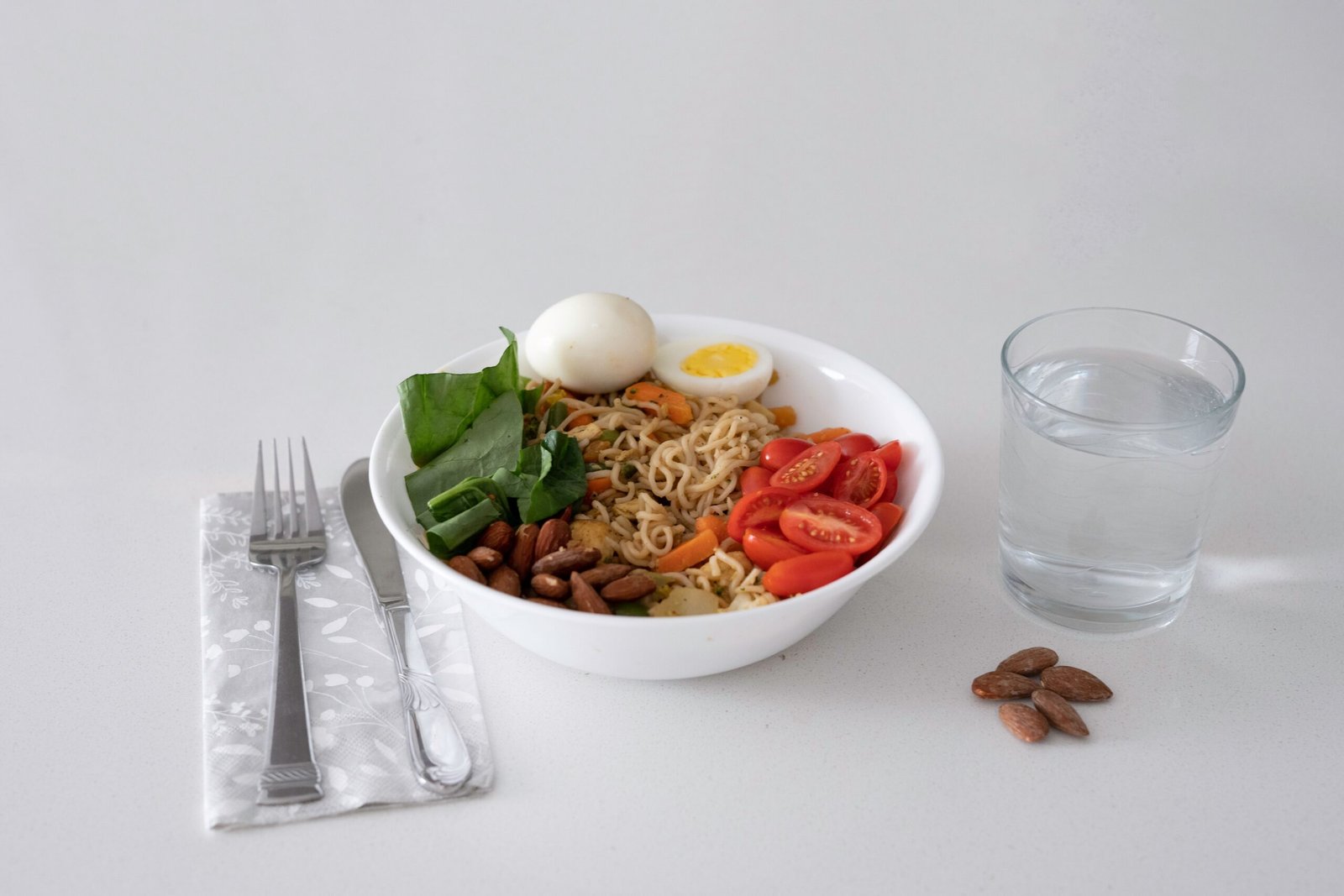
What helps is practical rather than exotic: eat enough, including starchy vegetables such as sweet potatoes, potatoes and squash, which are allowed in primal eating and provide carbohydrate and energy; drink water regularly through the day rather than waiting until you feel thirsty; keep salt in your food, since home-cooked whole food is naturally lower in salt than processed food and very low salt intake can contribute to headaches and dizziness; and taper caffeine rather than stopping abruptly if you are a heavy coffee drinker — a smaller morning coffee for a few days, then none, is easier than a sudden stop. If headaches are severe, persistent beyond a week, or accompanied by vision changes, weakness or confusion, seek medical advice rather than attributing them to diet.
The "low-carb flu" feeling
Some people in the first week describe a cluster of symptoms — fatigue, brain fog, irritability, muscle cramps, dizziness and nausea — often called "keto flu" or "low-carb flu" in online discussions. The name is misleading, because paleo is not necessarily ketogenic: it can be moderate in carbohydrate if starchy vegetables and fruit are included generously. The symptoms, when they occur, are more accurately described as the body's adjustment to lower carbohydrate and lower salt intake, combined with possible undereating and dehydration.
The same practical measures help: eat enough overall, include starchy vegetables and fruit, drink water, and do not restrict salt aggressively in the first week — salt your home-cooked food normally. Gentle movement, such as walking, usually helps more than intense exercise in the first week, and intense training while adjusting is a common way to feel worse. Most people who experience these symptoms find they ease within a few days to a week as eating and hydration stabilise. If dizziness is severe, if you faint, or if symptoms worsen rather than easing after a week, stop and seek medical advice — those are not normal adjustment symptoms.
Digestive changes: bloating, constipation and looser stools
Digestive changes are common in week one and usually settle, but they have several different causes that are worth separating. Increased vegetable intake, especially brassicas such as broccoli, cabbage, cauliflower and Brussels sprouts, can cause gas and bloating, particularly if your previous diet was low in vegetables. Removing grains and legumes removes major fibre sources, and if vegetable intake does not replace that fibre, constipation can follow. Conversely, a sudden large increase in fibre, fat or fruit can loosen stools. Eating much more fat than before — olive oil, butter, nuts, fatty meat — can also cause nausea or loose stools in some people, especially if fat intake jumps suddenly.

What helps depends on the symptom. For bloating, increase vegetables gradually rather than all at once, cook brassicas well rather than eating them raw in large quantities, and chew food thoroughly. For constipation, prioritise vegetables at every meal, drink water, include fruit with skins, keep moving, and consider that you may simply be eating too little overall — constipation is a common consequence of undereating. For loose stools, reduce very fatty meals and large amounts of nuts or coconut oil temporarily, and increase starchy vegetables and cooked vegetables, which are gentler. Digestive symptoms that are severe, bloody, accompanied by significant pain, unintentional weight loss or fever, or that persist beyond two weeks, need medical assessment rather than dietary tweaking.
People with existing digestive conditions — irritable bowel syndrome, coeliac disease, inflammatory bowel disease, gallbladder problems — should be particularly cautious. Paleo removes gluten-containing grains, which helps some people with IBS, but it also increases intake of foods that can trigger IBS in others, such as onions, garlic and large amounts of fruit. If you have a diagnosed digestive condition, discuss the diet with your clinician or dietitian before starting rather than experimenting alone.
Cravings, hunger and mood
Cravings in the first week are normal and have several sources. Sugar cravings reflect habit as much as biology: if you habitually ate something sweet after dinner or with coffee, the cue remains even when the food is gone, and the craving passes more quickly if you replace the ritual — herbal tea after dinner, a walk after lunch — rather than simply enduring it. Hunger is often a sign of eating too little, especially at breakfast and lunch, and the fix is larger, protein-rich meals rather than willpower: eggs with vegetables, meat or fish with a large vegetable portion, and starchy vegetables for substance.
Mood effects in the first week — irritability, low mood, difficulty concentrating — usually track tiredness, headaches and hunger, and they improve as those settle. Sleep can also change in the first week, in either direction: some people sleep better once sugar, alcohol and late heavy meals reduce, while others sleep worse while adjusting, especially if they eat a large meal late or cut caffeine abruptly. Keeping regular sleep times, morning daylight and a wind-down routine, as covered in the companion sleep guide, helps more than any supplement.
A word of caution about restriction and mood: any diet with a long "avoid" list can become stressful, and for people with a history of disordered eating, restrictive frameworks can trigger harmful patterns even when the intention is health. If you find yourself becoming anxious about food, guilty about eating, or unable to eat socially without distress, that is a signal to step back and seek support, not to restrict further. The primal framework itself includes an 80/20 flexibility principle for exactly this reason — a pattern followed most of the time, with room for real life, is more sustainable than perfection.
Skin, sleep and other changes people report
Some people report skin changes in the first week — breakouts or, less commonly, clearer skin. Breakouts in week one are often linked to dietary change, stress, sleep disruption or increased fat intake, and they usually settle within a few weeks; they are not, on their own, evidence that the diet is harming you or helping you. Persistent or severe skin problems deserve a pharmacist's or GP's advice rather than dietary guesswork.
Sleep changes, as above, go both ways and usually settle with regular habits. Bad breath is occasionally reported when carbohydrate intake is very low, because the body produces ketones that can affect breath odour; eating more starchy vegetables and fruit, so that carbohydrate is moderate rather than very low, usually resolves it. Muscle cramps in the first week are often linked to low salt, low magnesium-rich foods or dehydration, and they usually ease with adequate food, water and normal salt intake; persistent cramps, especially with medication use or a medical condition, should be discussed with a clinician.
Weight changes in the first week are mostly water, not fat. Lower carbohydrate intake reduces glycogen stores, and each gram of glycogen holds several grams of water, so a drop of one to three kilos in the first week is common and largely water loss. It is not a reliable measure of fat loss, and it partly returns if carbohydrate intake rises again. Conversely, some people gain a little weight initially if they eat large amounts of nuts, cheese (in primal eating) and fatty meat without realising how energy-dense those foods are. Neither early change predicts long-term results, and weighing daily in week one usually causes more anxiety than insight — weekly weighing, if you weigh at all, is a calmer measure.
What is normal, and what is not
Normal first-week effects, in summary, are: mild headaches for a few days, tiredness, irritability, sugar cravings, mild bloating or gas, changes in bowel habits that settle within a week or two, and a drop in weight that is mostly water. These should be easing, not worsening, by the end of the first week, and they should respond to eating enough, including starchy vegetables, drinking water, keeping salt normal, sleeping regularly and moving gently.
Not normal, and worth medical advice, are: severe or persistent headaches, fainting or severe dizziness, chest pain, palpitations, severe abdominal pain, blood in stools, persistent vomiting, inability to keep fluids down, significant unintentional weight loss, or symptoms that worsen after the first week rather than improving. People with diabetes should seek advice urgently if blood sugar control changes significantly, since improved control can reduce medication needs and low blood sugar is dangerous. Anyone taking medication for blood pressure, diabetes, kidney disease or heart disease should have discussed the diet change with their clinician beforehand, and should contact them if readings or symptoms change.
Making week one easier: a checklist
A few preparations make the first week noticeably easier. First, plan and shop before you start, so the first days are not improvised from an empty fridge — the companion shopping list and meal plan cover this. Second, cook in batches and keep leftovers, so a tired evening does not become a takeaway evening. Third, eat enough, and include starchy vegetables daily in week one even if you plan to reduce them later; week one is not the time for additional restriction. Fourth, drink water regularly and salt food normally. Fifth, taper caffeine rather than stopping suddenly. Sixth, keep exercise gentle — walking and light strength work — and sleep at regular times. Seventh, use the 80/20 principle from the start: if a social meal or an unplanned food happens, note it and return to the pattern at the next meal rather than treating the week as ruined. That last point is the difference between a diet that lasts a month and one that lasts a week.

FAQ
How long do paleo side effects last?
Most mild first-week effects — headaches, tiredness, cravings, mild digestive changes — ease within a few days to a week as eating, hydration and sleep stabilise. Effects that worsen after a week, or that are severe, should be assessed medically rather than waited out.
Is the "keto flu" feeling dangerous?
The mild cluster of fatigue, brain fog and irritability during carbohydrate reduction is usually short-lived and manageable with adequate food, starchy vegetables, water and normal salt intake. Severe dizziness, fainting, chest pain or persistent vomiting are not normal and need medical advice.
Why am I constipated on paleo?
Usually because fibre sources changed: grains and legumes are gone, and vegetable intake may not yet have replaced their fibre, or total food intake is too low. Prioritise vegetables at every meal, drink water, move daily, and eat enough overall. Persistent constipation beyond two weeks, or with pain or blood, needs medical assessment.
Should I stop paleo if I feel ill in the first week?
Mild, easing symptoms can be managed with the measures in this guide. Severe, worsening or persistent symptoms, or any symptom in someone with diabetes, kidney or heart disease, or on medication affected by diet, should prompt a pause and medical advice. Feeling unwell is information, not failure.